Paris isn’t just about croissants and museums-it’s where the night comes alive with wine, conversation, and dim lighting that makes even strangers feel like old friends. If you’re looking for real nightlife in Paris, skip the tourist traps with plastic glasses and overpriced bubbly. The city’s best wine bars are tucked into quiet alleys, tucked under arches, or hidden behind unmarked doors. These aren’t cocktail lounges or hipster pubs. They’re places where sommeliers know your name by the third visit, and the wine list reads like a love letter to French terroir.
Le Baron Rouge: The Underground Classic
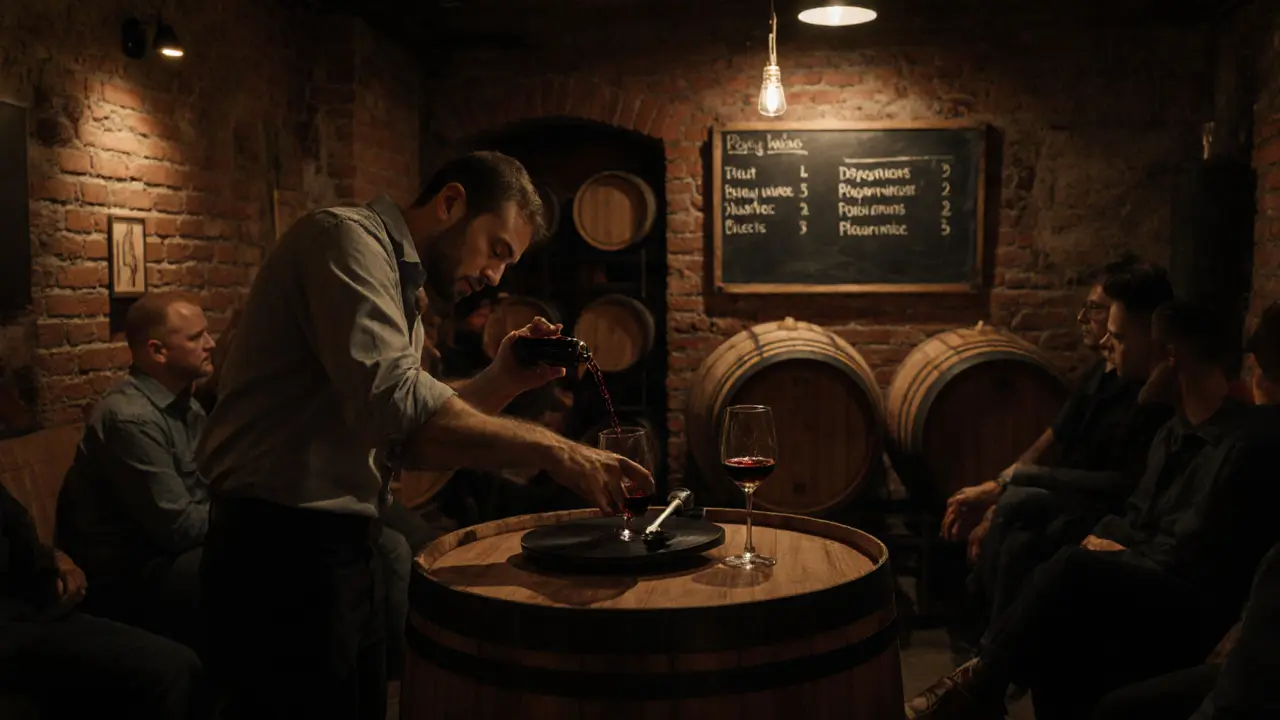
Down a narrow staircase in the 11th arrondissement, Le Baron Rouge feels like stumbling into a secret cellar from the 1970s. No menu. No photos online. Just a chalkboard with seven wines by the glass, all from small organic producers you’ve never heard of. The owner, Jean-Luc, pours a different natural red every night-sometimes a Gamay from the Loire, sometimes a Syrah from the southern Rhône. He doesn’t push sales. He asks, "What did you eat today?" Then he picks the wine. Locals come here after work. Tourists who found it on a blog whisper about it like it’s forbidden. The lights are low. The music is jazz from a vinyl record. The wine? It’s not expensive. It’s unforgettable.
La Cave des Vignerons: Where the Vintners Drink
Right next to the Marché des Enfants Rouges, La Cave des Vignerons is the kind of place where you’ll see a winemaker from Burgundy sipping a glass of Chablis next to a young artist from Montmartre. This isn’t a bar with a wine collection-it’s a wine shop that opened a counter and chairs. You buy a bottle from the wall, pay €5 corkage, and sit at a wooden table with strangers who become friends. The selection changes weekly. Last month, they had a 2019 Pinot Noir from Jura that tasted like crushed berries and wet stone. This month, it’s a skin-contact white from the Alps. No fancy glasses. No pretense. Just wine, in its purest form. It’s open until 2 a.m. on weekends, and the staff never rushes you. They’ll even let you taste three before you choose.
Le Comptoir du Relais: The Neighborhood Favorite
In Saint-Germain-des-Prés, where the cafés are packed with tourists, Le Comptoir du Relais stands out because it’s still full of locals. The counter is long, the stools are worn, and the wine list is handwritten on a single sheet. They serve 12 wines by the glass-half French, half from Italy and Spain-and every one is chosen by the sommelier, Caroline, who’s been here for 18 years. Her rule? No wine over €12 a glass. That’s not a gimmick. It’s a philosophy. You’ll find a crisp Muscadet from the Loire, a bold Côtes du Rhône, and a rare orange wine from the Pyrenees. They pair them with simple charcuterie, aged cheeses, and warm baguettes. It’s open every night until 1 a.m., and on Fridays, they bring out a second bottle of something rare and let people try it for free. You won’t find this on Instagram. You’ll find it by accident-and you’ll come back.
Le Verre Volé: The Modern Pioneer
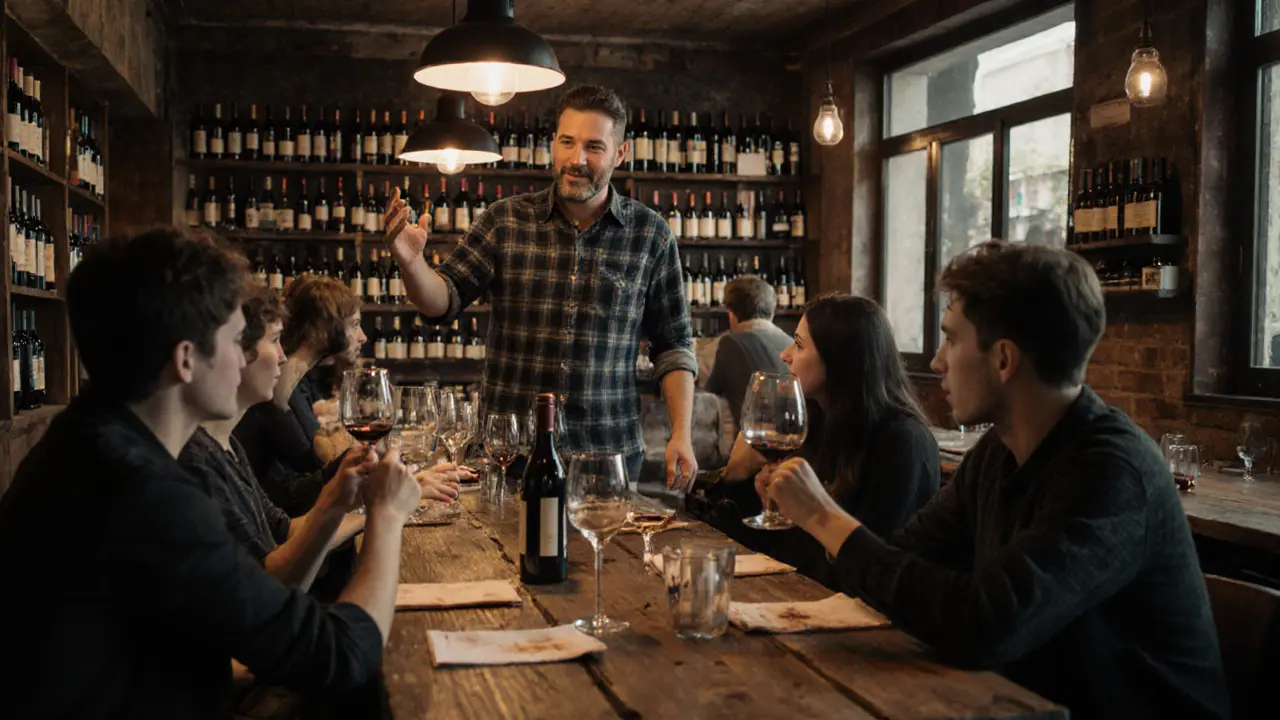
Le Verre Volé, in the 10th arrondissement, was one of the first wine bars in Paris to bring natural wine into the mainstream. It opened in 2009, when most Parisians still thought "natural wine" meant "bad wine." Now, it’s packed every night. The space is industrial but warm-exposed brick, hanging lights, a long bar lined with bottles. The staff know their wines like poets know their verses. They’ll tell you why a 2021 Grenache from the Cévennes tastes like wild thyme and rain. They’ll explain how the soil in Languedoc affects acidity. They won’t overwhelm you. They’ll guide you. The food is just as thoughtful: roasted beets with goat cheese, duck rillettes on sourdough, and a cheese board that changes daily. The wine list has over 200 bottles, but only 12 are available by the glass. That’s intentional. They don’t want you to drink anything you don’t love.
Le Chateaubriand: Where Food and Wine Become One
This one’s not a traditional wine bar-it’s a restaurant that happens to serve wine like it’s sacred. But if you come here after 10 p.m., you can sit at the bar, order a single glass, and eat a small plate of grilled octopus or duck heart tartare. The wine list is curated by the chef, who trained in Burgundy and believes wine should match the mood, not the meal. They pour a 2018 Cornas from a tiny producer who only makes 800 bottles a year. They serve a 2020 Gamay from Beaujolais that tastes like crushed violets. The prices are fair. The atmosphere is quiet. And the energy? It’s electric. People come here after dinner, after theater, after midnight walks through the Marais. They don’t come to be seen. They come to feel something.
La Cave de l’Écluse: The Hidden Gem in the 18th
Tucked under a railway bridge in Montmartre, La Cave de l’Écluse is easy to miss. The sign is faded. The door is wooden. Inside, it’s a single room with five tables, a small bar, and shelves lined with bottles from forgotten regions-Corsica, Alsace, the Jura, even the Canary Islands. The owner, Marie, used to be a wine importer. Now she pours what she loves. No filters. No trends. Just wine that makes her pause. On Thursday nights, she hosts "Taste the Unusual," where she brings out three obscure wines and lets you try them for €10. Last week, it was a white from Slovenia that tasted like wet chalk and green apple. The crowd? Artists, writers, retired teachers. No one’s on their phone. Everyone’s talking. It closes at midnight, but if you’re still there at 12:15, she’ll open one more bottle-just because.
Why These Bars Work When Others Don’t
Paris has hundreds of wine bars. Most of them feel like restaurants with extra glasses. The ones that truly stand out have three things in common: they care more about the wine than the profit, they treat guests like friends, not customers, and they don’t chase trends. You won’t find a wine bar here that serves prosecco by the pitcher or offers "Parisian cocktails" made with sparkling wine and elderflower syrup. These places are rooted in tradition-but not the kind you see in guidebooks. They’re rooted in the real, quiet, messy, beautiful truth of how French people actually drink: slowly, thoughtfully, with people who matter.
What to Order, When to Go, and How to Act
- When to go: Weeknights are quieter. Weekends are lively but never chaotic. Aim for 7-9 p.m. to get the best seats.
- What to order: Ask for "un verre de vin naturel" or "un vin qui change de saison." You’ll get something unexpected and delicious.
- How to behave: Don’t ask for a menu. Don’t ask for a table reservation. Just walk in, sit at the bar, and say "bonjour." The rest will follow.
- Don’t: Order a glass of Champagne unless it’s offered. Don’t ask for a sweet wine unless you’re at a place that specializes in it. Don’t rush. Parisian wine nights aren’t about speed-they’re about presence.
Final Tip: Bring Cash
Most of these places don’t take cards. Not because they’re old-fashioned, but because they’re small. They pay their staff well. They buy wine directly from growers. They don’t have the overhead for card machines. Carry €20-€50 in cash. You’ll need it.
Are these wine bars expensive?
Not by Paris standards. Most glasses cost between €8 and €14. A bottle runs €30-€60. That’s cheaper than a cocktail in most tourist bars. You’re paying for quality, not branding.
Do I need to speak French?
No. Most staff speak English, especially in places like Le Verre Volé and Le Baron Rouge. But a simple "Bonjour" and "Merci" go a long way. They’ll appreciate it.
Can I bring a group?
Small groups-two to four people-are fine. Large groups (five or more) are harder to seat. These are intimate spaces. If you’re with a big group, try La Cave des Vignerons-they have the most room and the most flexible seating.
Are these places open on Sundays?
Most close on Sundays or have limited hours. Le Comptoir du Relais and Le Verre Volé are open, but La Cave de l’Écluse and Le Baron Rouge are usually closed. Always check their Instagram or call ahead.
What’s the best time to visit for a quiet experience?
Tuesday or Wednesday nights, between 7:30 and 9 p.m. That’s when locals come in after work, before the dinner crowd, and before the late-night crowd. It’s peaceful, warm, and perfect for real conversation.