Paris didn’t become the city of light by accident. Its nightlife has been shaping the way the world thinks about evening entertainment for over a century. From candlelit cabarets to underground techno dens, the rhythm of Paris after dark has changed - but never disappeared. If you think Paris nightlife is just about wine bars and croissants at midnight, you’re missing the real story.
The Birth of Nightlife: Cabarets and Bohemian Nights
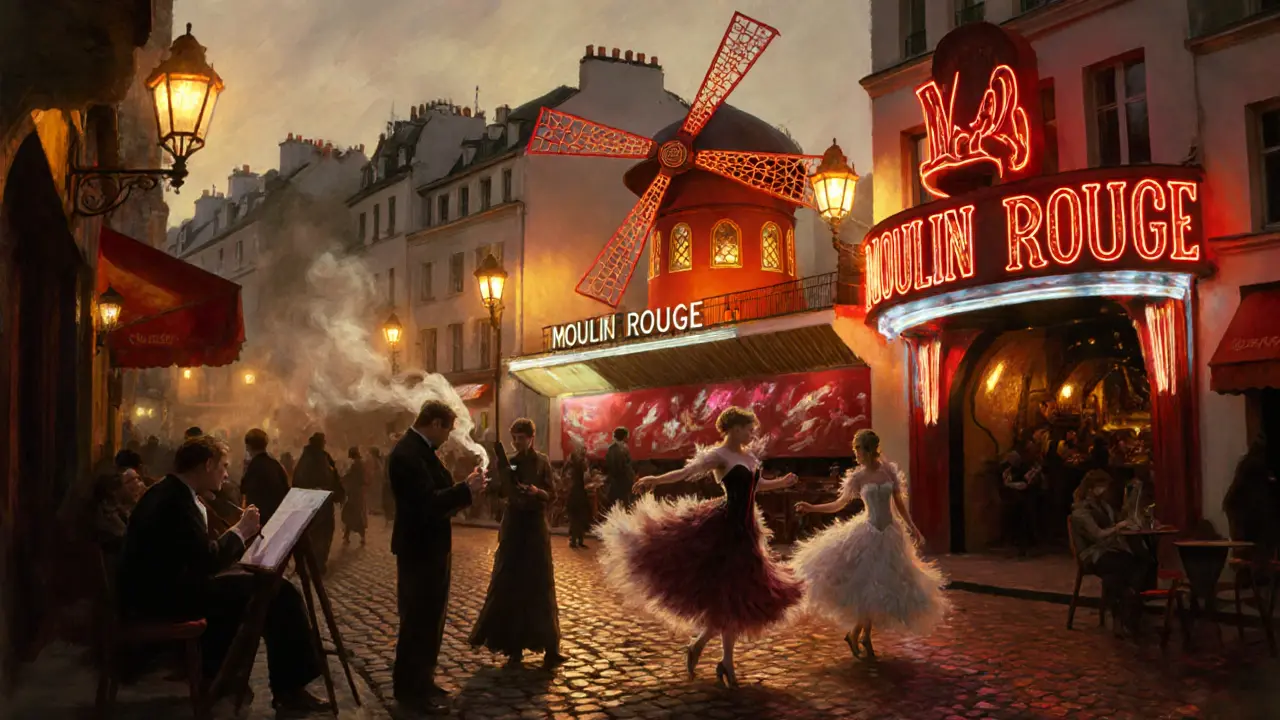
In the late 1800s, Montmartre was the wild heart of Paris after dark. The Moulin Rouge opened in 1889, not just as a theater, but as a social revolution. Women danced in corsets and feathers, artists sketched in the shadows, and musicians played jazz long before it was cool in New York. This wasn’t entertainment for the rich - it was for the rebels, the poets, the immigrants, the outcasts. The city didn’t just allow this; it fed it. Street lamps stayed on, cafés stayed open, and the police turned a blind eye.
By the 1920s, the Left Bank had its own rhythm. Shakespeare and Company hosted poets who drank absinthe until dawn. The Closerie des Lilas became Hemingway’s office. Nightlife wasn’t about clubs - it was about conversation, creativity, and chaos. You didn’t go out to dance. You went out to be changed.
The Quiet Years: When Paris Slept
After World War II, Paris slowed down. The war had drained its spirit. The 1950s and 60s saw a shift: nightlife became quieter, more intimate. Jazz clubs in Saint-Germain-des-Prés still played, but the crowds were smaller. The 1970s brought disco, but Paris didn’t fully embrace it. While London and New York exploded with neon and bass, Paris held back. There were no mega-clubs. No bottle service. No VIP sections.
The French didn’t want to copy America. They wanted something different - something slower, more personal. Bars became places to linger. Wine replaced cocktails. Music was background, not the main act. Even in the 1980s, when rave culture hit other European cities, Paris stayed reserved. The city’s strict 2 a.m. closing laws, introduced in the 1970s, kept things tame. Nightlife wasn’t about excess. It was about presence.
The Underground Rises: The 2000s Revolution
Then, in the early 2000s, everything changed. A new generation - raised on punk, techno, and the internet - started sneaking into abandoned warehouses in the 13th and 19th arrondissements. They called themselves “les noctambules.” No posters. No websites. Just word of mouth. One night, a secret party in a former meatpacking plant drew 500 people. The next week, it was 1,200. The police raided. The crowd came back the next weekend.
By 2008, places like La Machine du Moulin Rouge and Le Trabendo were blending live music with underground beats. DJs from Berlin and Tokyo started showing up. The French didn’t call them clubs - they called them “salles de spectacle,” performance spaces. That mattered. It meant the music wasn’t just for dancing. It was art.
By 2015, Paris had 47 licensed after-hours venues. Not because the city changed the law - but because people stopped asking for permission. The mayor’s office realized: you can’t stop culture. You can only try to control it. So they started issuing permits for late-night events on weekends. The city didn’t become Las Vegas. It became something better - a place where the music could go until 6 a.m., if the crowd was quiet and the neighbors didn’t complain.
Today’s Paris: Diversity in the Dark
Today, Paris nightlife isn’t one thing. It’s dozens of things, happening at once.
- In Le Marais, queer bars like Le Baron and Le Clos host drag shows and vinyl nights where the crowd is half locals, half travelers.
- In Belleville, Ethiopian jazz bands play in basements next to Vietnamese pho stalls open until 3 a.m.
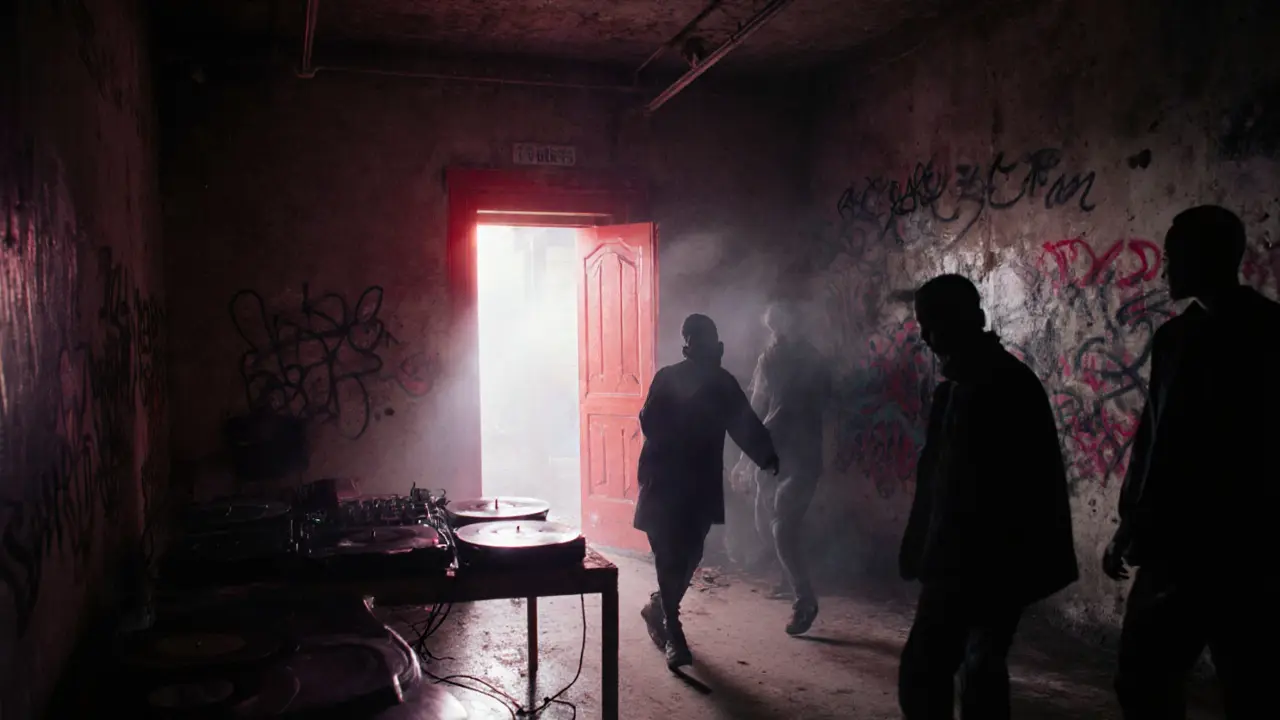
- In the 10th arrondissement, a former bank vault now holds a techno club called La Station - no lights, no logo, just a single red door and a bouncer who asks, “Why are you here?” before letting you in.
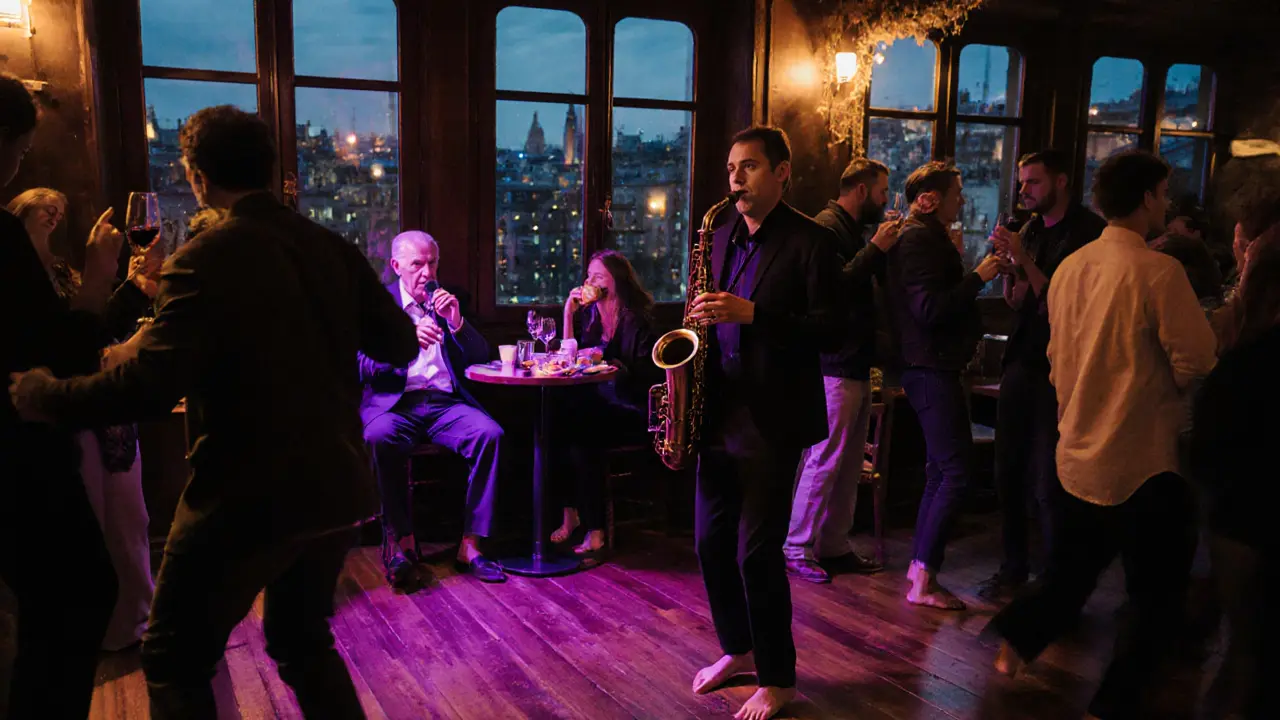
- On the Seine, floating bars like La Péniche drift past Notre-Dame with live saxophone and craft gin cocktails.
- And in the 18th, a tiny bar called Le Comptoir Général serves rum made from Haitian sugar cane, with live Afrobeat on Sundays and no cover charge.
The old cabarets still exist - but they’re now tourist traps. The real magic is in the corners. You won’t find it on Instagram. You find it by walking, getting lost, and asking a bartender: “Where do you go after your shift?”
What Makes Paris Nightlife Different?
Other cities have bigger clubs. More neon. More branding. Paris has something else: authenticity. There’s no corporate nightlife here. No chain bars. No branded cocktails with names like “Paris Dream.”
The French don’t do “experience.” They do “moment.” A moment shared over a glass of natural wine. A moment of silence during a live set. A moment when the music stops, and everyone starts talking in French, Arabic, Spanish, and English - all at once.
And the rules? Still strict. No smoking indoors. No standing at the bar after 2 a.m. No loud music after 1 a.m. on weekdays. But here’s the twist: these rules make it better. They force you to slow down. To listen. To notice. To stay longer.
Paris doesn’t need to scream to be heard. It whispers. And if you’re quiet enough, you’ll hear it.
Where to Go Now: A Real Guide, Not a List
If you want to feel what Paris nightlife is today, skip the guidebooks. Here’s what actually works:
- Start in the 11th. Go to Bar des Musiciens at 10 p.m. Order a vermouth. Talk to the owner. He’s been there since 1992.
- Walk to Le Perchoir - a rooftop bar with city views and zero pretense. No dress code. Just good wine and people who don’t care if you’re famous.
- At midnight, head to La Bellevilloise. It’s a cultural center with a basement club. Bands play until 4 a.m. The crowd is students, artists, retirees, and tourists - all dancing together.
- After that, find La Cigale on a Friday. It’s a historic music hall. You might see a French indie band you’ve never heard of - and they’ll be the best thing you hear all year.
- End at Le Comptoir du Relais in Saint-Germain. It’s tiny. No seats. Just a counter. The bartender makes you a Negroni without asking. You’ll leave at 5 a.m. and not remember how you got home.
This isn’t a checklist. It’s a rhythm. Paris doesn’t reward planners. It rewards wanderers.
What’s Next for Paris Nightlife?
2025 is the year Paris doubled down on sustainability. Most clubs now use solar panels. Plastic cups are banned. DJs play vinyl only. The city offers grants to venues that host free shows for locals.
There’s also a new wave of “slow nightlife” - events that last all night but move slowly. Think poetry readings with ambient soundscapes. Midnight yoga in abandoned churches. Silent disco in the Luxembourg Gardens.
The old guard still exists - but the future? It’s quiet. It’s local. It’s unpredictable. And it’s not trying to impress you. It’s just happening.
Is Paris nightlife safe at night?
Yes, but not in the way you might expect. Paris is generally safe in well-lit areas like Le Marais, Saint-Germain, and the 11th arrondissement. Avoid deserted streets after 2 a.m., especially near train stations. Most nightlife zones are patrolled by local police, and many bars have security. The biggest risk? Pickpockets in crowded clubs - keep your phone and wallet secure. Trust your gut. If a place feels off, leave.
What’s the best time to experience real Paris nightlife?
Weekends, especially Friday and Saturday nights, are when the real energy shows up. But if you want to avoid crowds and find the hidden spots, go on a Wednesday or Thursday. Locals often have their best nights midweek. Bars are quieter, DJs experiment more, and the vibe is less performative. The real Paris isn’t on a Friday night - it’s on a quiet Thursday when the city forgets it’s being watched.
Do I need to speak French to enjoy Paris nightlife?
No - but it helps. Many bartenders and club staff speak English, especially in tourist areas. But in the underground spots, a simple “Bonjour,” “Merci,” or “C’est bon” opens doors. Locals appreciate the effort. And sometimes, the best conversations happen when words fail. A nod, a smile, a shared look during a song - that’s how Paris works.
Are there still cabarets worth visiting?
The Moulin Rouge and Lido are still running - but they’re theatrical spectacles, not authentic nightlife. If you want the real cabaret experience, go to Le Chat Noir in Montmartre. It’s a small, intimate space with live music, vintage posters, and a crowd that’s mostly locals. The shows are cheaper, the energy is raw, and you won’t be charged €150 for a drink. It’s the spirit of 1890, not the souvenir version.
Can I find vegan or vegetarian options in Paris nightspots?
Absolutely. In the last five years, nearly every bar and club in Paris added at least one vegan snack or cocktail. Places like Le Potager du Marais and Le Potager du Pere Lachaise serve plant-based tapas until 2 a.m. Even high-end clubs now offer beetroot mojitos and cashew cheese plates. Paris didn’t just adapt - it led. The city’s food culture always valued quality over convenience, and that extends to late-night eating.
If you’re looking for Paris nightlife to be loud, flashy, or Instagram-ready - you’ll leave disappointed. But if you’re ready to listen, to wander, to taste, and to stay up past the point of reason - you’ll find something no other city offers: a night that feels alive, not staged. That’s the evolution. Not in the lights. In the silence between the beats.