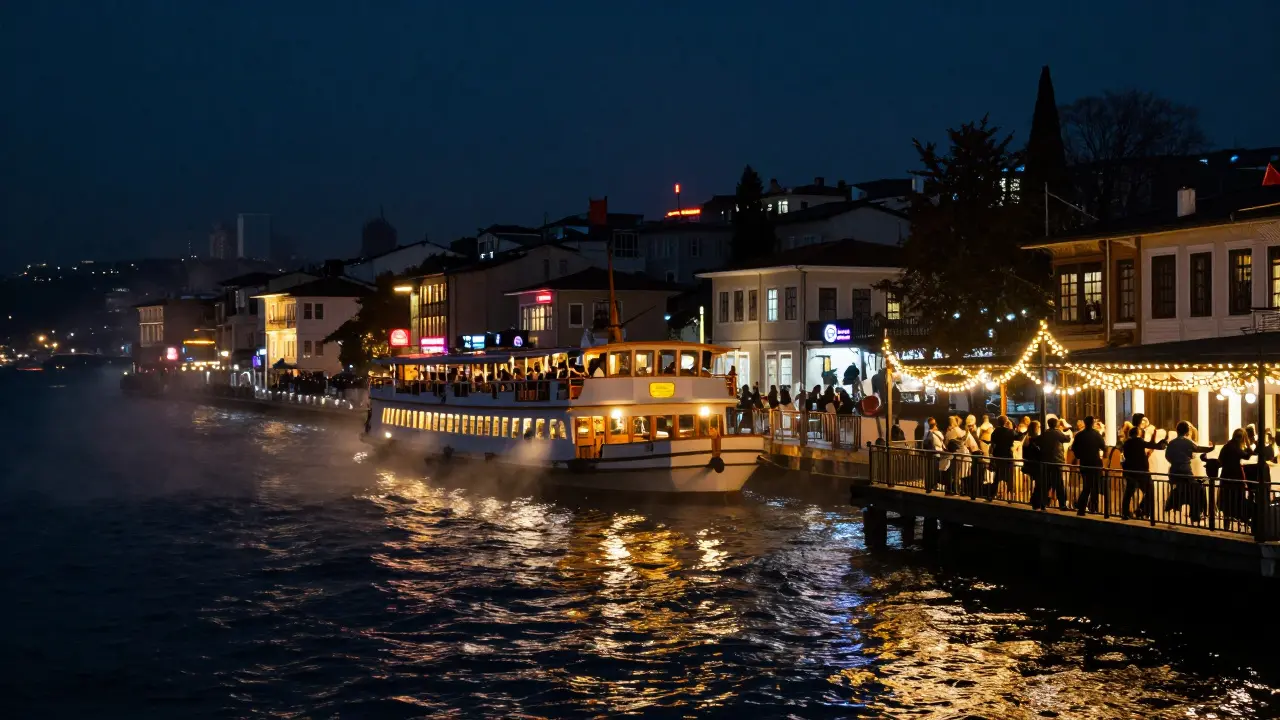
When the sun sets over the Bosphorus, Istanbul doesn’t sleep-it hums. The call to prayer fades into the bassline of a house track in Kadıköy. The scent of grilled mackerel from a street cart mingles with the smoky aroma of arak in a hidden rooftop bar. This isn’t just a city that stays up late. It’s a place where the night is a living thing, breathing through alleyways, dancing on boat decks, and echoing through centuries-old stone courtyards.
Where the Night Begins: The Bosphorus and Beyond
Most visitors start their night in Taksim or Beyoğlu, where İstiklal Caddesi lights up like a neon river. But the real pulse of Istanbul’s nightlife isn’t just in the tourist zones. Head to Karaköy, where old warehouses have become lounges with panoramic views of the Golden Horn. Places like Reina and Karaköy Lokantası draw locals and travelers alike-not because they’re flashy, but because they feel real. The music shifts from Turkish pop to jazz as the night deepens, and the crowd changes too. By midnight, you’re not just watching the scene-you’re part of it.
For something quieter, take a ferry to Kadıköy on the Asian side. It’s where students, artists, and expats gather in tiny bars with mismatched chairs and handwritten menus. Try Bar 1907 for a craft cocktail made with local herbs, or Mezze Bar for small plates of haydari, grilled eggplant, and stuffed grape leaves. No one rushes you here. The night moves at the pace of conversation, not the clock.
The Music That Moves the City
Istanbul’s sound isn’t one genre-it’s a stack of layers. In Nişantaşı, you’ll find upscale jazz clubs like Asmâ, where Turkish musicians reinterpret Bill Evans with ney flutes and kanun zithers. Down in Ortaköy, electronic DJs spin under the lights of the mosque’s minarets, turning the square into an open-air dance floor. And then there’s the traditional: Mevlana Cultural Center hosts Sufi whirling ceremonies every Friday night. The music-drums, flutes, chanting-isn’t表演. It’s prayer. You don’t clap. You just sit, breathe, and let it wash over you.
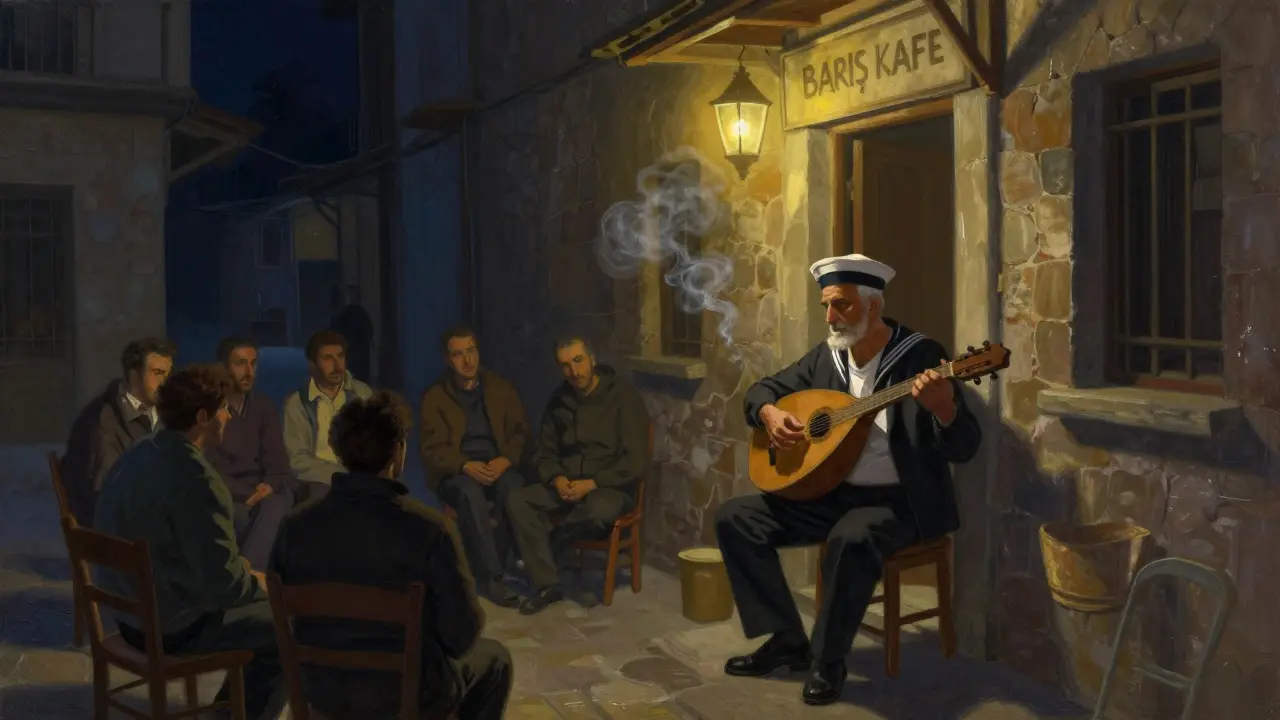
Don’t miss Barış Kafe in Cihangir. It’s a tiny place with no sign, just a flickering lamp. Locals know it for live bağlama sessions-folk songs that tell stories of love, loss, and the sea. The owner, a retired sailor, still plays every Thursday. He doesn’t take tips. He just smiles and says, “The music is the payment.”
Food That Lasts Until Dawn
You can’t talk about Istanbul’s night without talking about food. It’s not just snacks. It’s rituals. At 2 a.m., you’ll find queues outside İsmail Ağa Kebap in Fatih. The lamb is slow-roasted on vertical spits, served with flatbread, grilled peppers, and a side of pickled turnips. No one eats here for the ambiance. They come for the taste that sticks to your ribs and your memory.
For something lighter, hit the 24-hour Çiğ Köfte stands near Galata Bridge. The raw meatballs, spiced with mint and pomegranate molasses, are wrapped in lettuce with a squeeze of lemon. Eat them standing up, fingers sticky, eyes on the water. The Bosphorus glows with ferry lights, and the city feels like it’s holding its breath.
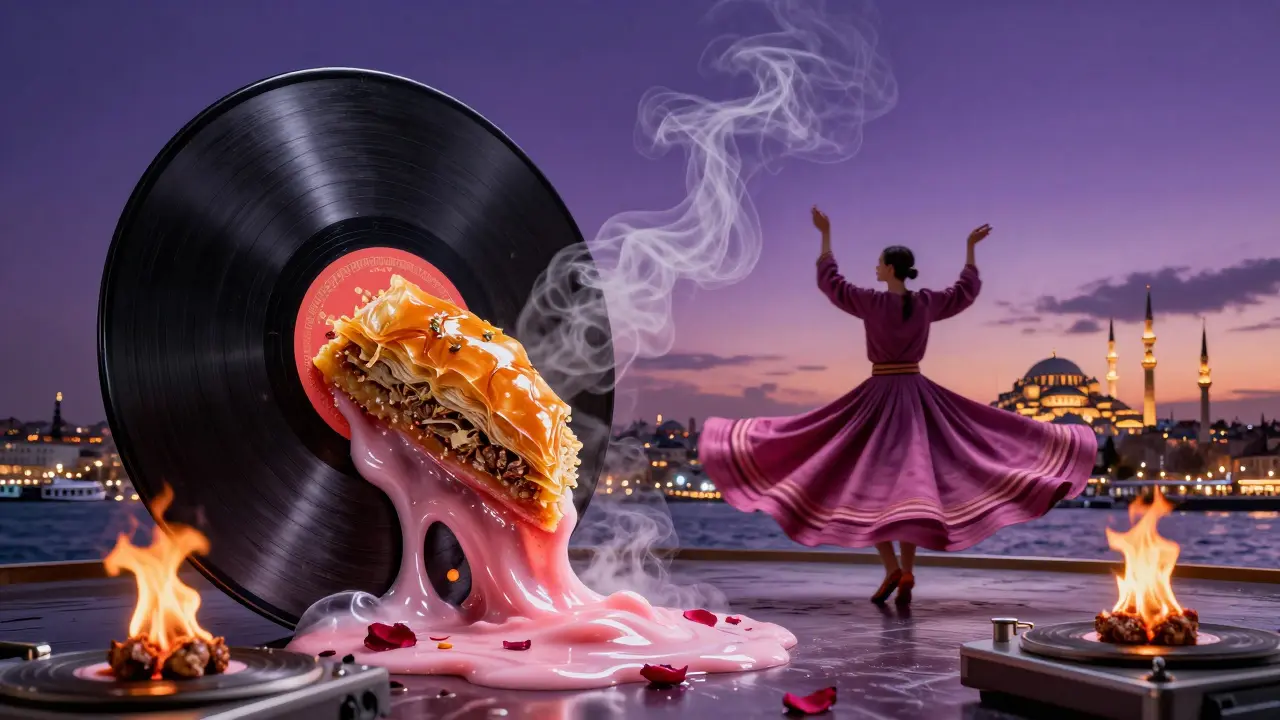
And then there’s the sweet ending. Carpe Diem in Beyoğlu serves baklava with rosewater ice cream, while Çinili Çeşme in Sultanahmet offers Turkish delight made fresh every hour. Don’t skip the salep-a warm, creamy drink made from orchid root, dusted with cinnamon. It’s the drink of choice for those who’ve danced too long and need something soft to bring them back.
Where the Rules Change
Not every bar in Istanbul is open until sunrise. Some close at 1 a.m. because of local ordinances. Others stay open because no one enforces the rules. In Üsküdar, you’ll find basement clubs with no licenses, no bouncers, and no menus. Just a guy behind a counter asking, “What do you want to drink?” You name it. He makes it. The music? A mix of old Turkish ballads and underground techno. No one asks where you’re from. They just hand you a glass and nod.
That’s the thing about Istanbul’s night: it’s not about rules. It’s about rhythm. The city has lived through empires, revolutions, and economic crashes. It’s learned to bend, not break. The same goes for its nightlife. You’ll find luxury lounges next to hole-in-the-wall shacks. You’ll hear Arabic pop next to punk rock. It’s messy. It’s loud. It’s beautiful.
What to Bring-and What to Leave Behind
You don’t need a dress code. No one checks your shoes. But you do need to know this: Istanbul’s night is not a show. It’s a conversation. Don’t walk into a local bar and demand a vodka tonic. Ask for raki, or şalgam, or ayran. Try the food. Talk to the bartender. Even if you don’t speak Turkish, a smile and a “Teşekkür ederim” go a long way.
Leave the big bags and flashy watches at home. Pickpockets are rare in nightlife zones, but they’re not gone. Keep your phone in a front pocket. Carry cash. Many places don’t take cards after midnight. And don’t expect to find Uber at 4 a.m. in some neighborhoods. Taxis are everywhere, but make sure the meter’s on.
When the Night Ends
By 6 a.m., the last of the dancers are walking home. The kebab carts are packing up. The boats on the Bosphorus are quiet. But the city doesn’t stop. It just shifts. The call to prayer starts again, softer this time. The street cleaners sweep the cigarette butts and spilled raki. And somewhere, a chef is already kneading dough for tomorrow’s simit.
Istanbul’s night doesn’t end. It just changes shape. And if you’re lucky, you’ll be there to see it turn.
Is Istanbul’s nightlife safe for tourists?
Yes, Istanbul’s nightlife is generally safe for tourists, especially in popular areas like Beyoğlu, Karaköy, and Kadıköy. The city has a strong police presence in nightlife zones, and locals are usually helpful. Avoid poorly lit alleys after midnight, keep valuables secure, and stick to well-known venues. Violent crime is rare, but petty theft can happen in crowded places, so stay aware.
What’s the best night to experience live music in Istanbul?
Fridays and Saturdays are the busiest for live music, but the most authentic experiences happen midweek. Visit Mevlana Cultural Center on Friday nights for Sufi whirling, or Barış Kafe in Cihangir on Thursdays for raw bağlama performances. Jazz lovers should check Asmâ on Tuesdays-locals know it’s when the best musicians play without crowds.
Can I find vegan or vegetarian options in Istanbul’s nightlife?
Absolutely. Istanbul has a strong tradition of plant-based eating. Try Mezze Bar in Kadıköy for vegan haydari and grilled vegetables, or Yeniköy Köfteci for lentil köfte and stuffed peppers. Many street vendors offer roasted corn, grilled eggplant, and fresh pomegranate juice. Just ask for “vejeteryen” or “et yok” (no meat).
What time do clubs in Istanbul usually close?
Most clubs in tourist areas like Karaköy and Beyoğlu stay open until 4 a.m. or later, especially on weekends. Smaller bars and local spots often close by 2 a.m. due to licensing rules. Some underground venues in Üsküdar or Fatih operate without strict hours-just follow the music and the crowd. Always check ahead if you’re planning to go out late.
Do I need to book tables in advance for popular nightlife spots?
For big venues like Reina or Kuleli, yes-especially on weekends. For smaller bars, cafes, and hidden gems, walk-ins are the norm. In fact, some of the best experiences happen when you show up without a plan. If you’re going to a popular spot on a Friday night, book a table a day ahead. Otherwise, just show up, find a seat, and let the night guide you.
Is raki the only traditional drink to try at night?
Raki is iconic, but it’s not the only one. Try şalgam, a fermented turnip juice with a tangy, spicy kick-popular with kebab lovers. For something sweet, sip salep, a warm, creamy drink made from orchid root and cinnamon. And don’t skip Turkish coffee after midnight-it’s strong, thick, and served with a side of fortune-telling if you’re curious. Many bars now serve craft cocktails with local ingredients like fig, pomegranate, and rosewater.