When the sun sets over the Bosphorus, Istanbul doesn’t sleep-it transforms. One minute you’re walking past ancient minarets and Ottoman courtyards; the next, you’re standing in a basement club where electronic beats echo off 15th-century stone walls. This isn’t just a city with nightlife. It’s a living timeline where whirling dervishes give way to DJs, and meze platters sit next to neon-lit cocktail bars. If you think Istanbul’s nightlife is just about drinking and dancing, you’re missing the point. It’s about movement-through history, culture, and space-all in one night.
The Old City’s Hidden Beats
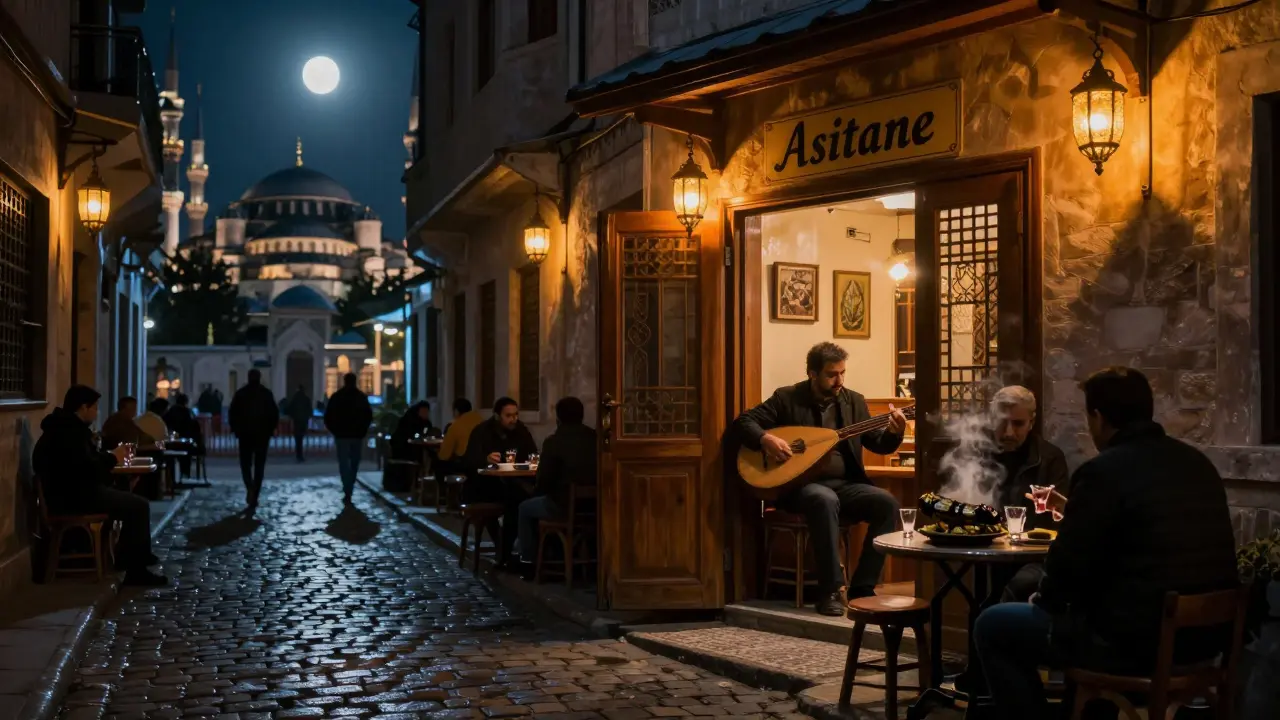
Start in Sultanahmet, where the Blue Mosque glows under moonlight. Walk just five minutes down a narrow alley near the Hippodrome, and you’ll find Asitane, a restaurant that’s been serving Ottoman recipes since 1972. But here’s the twist: after 11 p.m., the lights dim, the oud player picks up his instrument, and the space becomes something else-a quiet, intimate lounge where locals sip raki and tell stories. No strobe lights. No cover charge. Just the hum of conversation and the scent of grilled eggplant. This isn’t a tourist trap. It’s where Istanbul’s older generation unwinds, and if you’re lucky, someone will invite you to join their table.Galata’s Electric Pulse
Cross the Galata Bridge and climb the hill to Galata Tower. The view is stunning, but the real magic happens below. In the winding streets around Bankalar Caddesi, you’ll find Karaköy Life, a rooftop bar that opened in 2018 and quickly became the heartbeat of Istanbul’s modern nightlife. It’s not the biggest club, but it’s the most authentic. The crowd? Mix of artists, architects, and expats who’ve lived here long enough to know where the real music is. The playlist? Turkish indie rock, deep house with saz samples, and the occasional classic from Sezen Aksu. They don’t play Beyoncé here. They play Yaz Gelmeyen by Bengü. And people dance like no one’s watching.The Bosphorus After Midnight
Most visitors never make it to the Asian side after 10 p.m. That’s their loss. In Kadıköy, the nightlife isn’t about luxury-it’s about community. Bar 23 on Moda Street has no sign. Just a red door and a buzzer. Inside, it’s dim, warm, and packed with people who’ve been coming since 2007. The owner, Mehmet, pours homemade rakı from a glass jug and tells you about the time he hosted a poetry slam here during the 2013 protests. The walls are covered in handwritten notes from guests. One reads: “I came here broken. Left with friends.” That’s the vibe. No VIP section. No bottle service. Just real people, real talk, and music that starts at midnight and doesn’t stop until sunrise.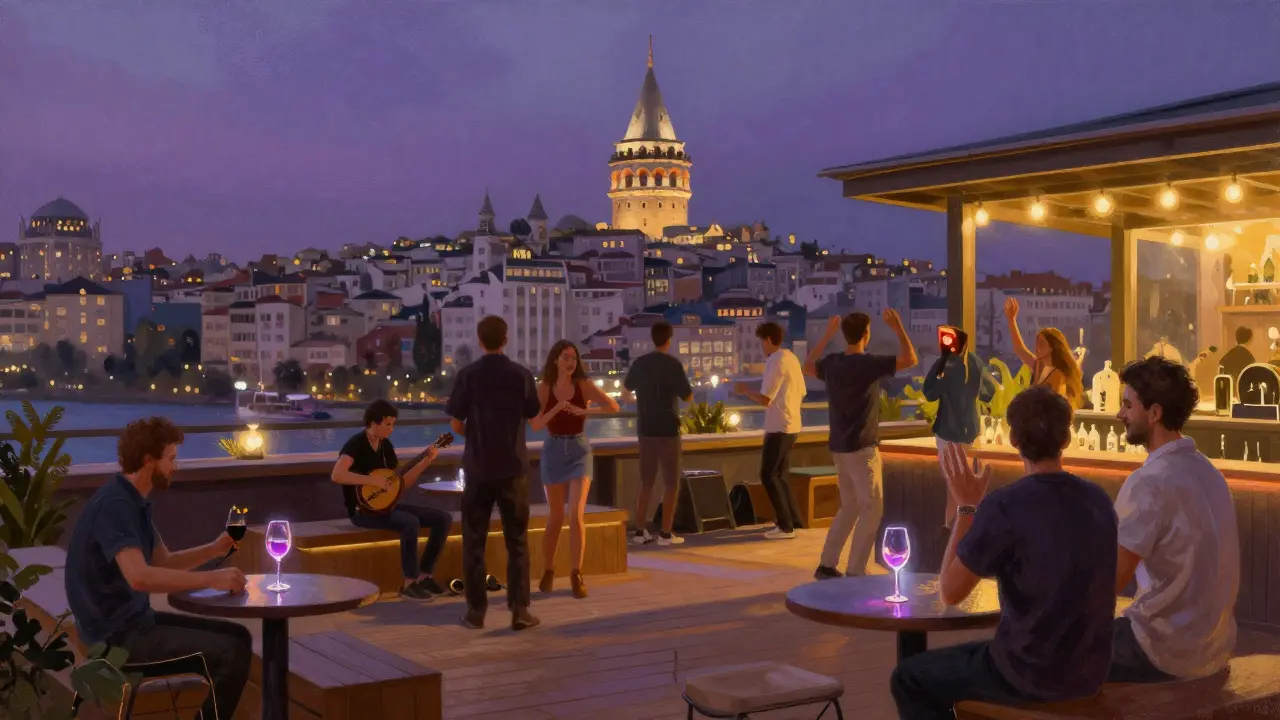
Where the Past Dances
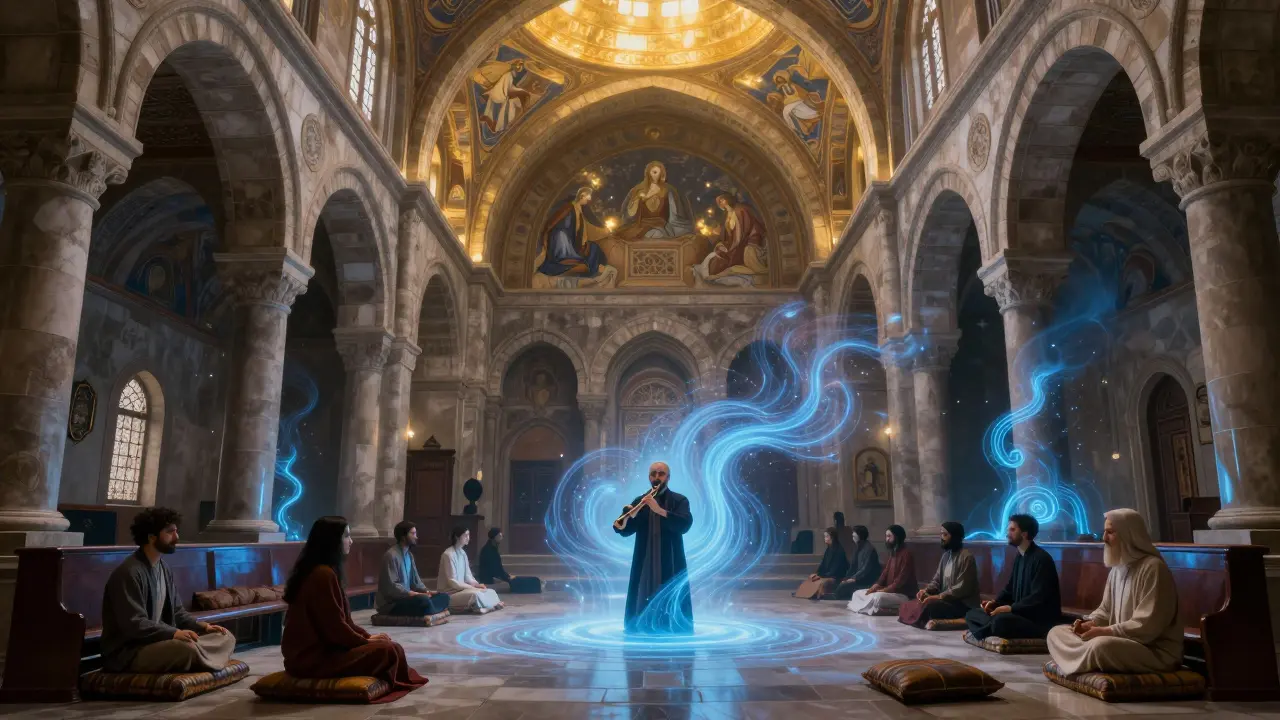
In 2023, a new venue opened in a restored 1890s Armenian church in Beyoğlu: Yeni Melek. It’s not a nightclub. It’s not a concert hall. It’s both. The ceiling still has its original frescoes. The pews are gone, replaced by low cushions. On Friday nights, you’ll find Sufi musicians playing ney flutes while a DJ layers in ambient synths. The result? A trance-like experience that feels ancient and futuristic at the same time. People come here to meditate. Others come to lose themselves. No one leaves unchanged. This is where Istanbul’s spiritual side meets its electronic soul.What to Expect-And What to Avoid
Istanbul’s nightlife is safe, but it’s not always predictable. Here’s what works:- Wear comfortable shoes. You’ll walk 10,000 steps before midnight.
- Bring cash. Many small bars don’t take cards.
- Don’t expect 24-hour clubs. Most close by 4 a.m. unless it’s New Year’s or Eid.
- Avoid the tourist traps on Istiklal Avenue after 1 a.m. The music is loud, the drinks are overpriced, and the energy is forced.
- Try a glass of ayran with your meze. It’s the local secret to surviving the night.
And if someone invites you to a private rooftop party? Say yes. The best nights aren’t listed on Google Maps.
Seasons Change, the Night Doesn’t
Winter in Istanbul is cold, but the nightlife gets even livelier. In December, when the Bosphorus freezes at the edges and the city smells of roasted chestnuts, the bars turn up the heat. Arkaoda in Cihangir serves mulled wine with a splash of orange peel and cinnamon. The walls are lined with vintage Turkish film posters. Locals come here to escape the chill-and to remember what it feels like to be young.Summer is different. The whole city spills onto the water. Ferries become floating parties. You can hop on a public ferry at Karaköy at 11 p.m., and by midnight, you’re dancing on the deck with strangers who become friends by dawn. No tickets needed. Just a bottle of beer and a willingness to let go.
Why This Isn’t Just Another City Nightlife Guide
You could read a dozen blogs listing the “Top 10 Clubs in Istanbul.” But that’s not what this is. This is about how the city breathes at night. How a 700-year-old stone archway can become a backdrop for a bass drop. How a grandmother’s recipe for boza becomes the drink of choice for a 22-year-old techno producer. Istanbul’s nightlife doesn’t try to be cool. It just is. And that’s why it sticks with you.Go with no agenda. Let the streets lead you. Follow the music, not the signs. And when you find that hidden door, the one with no name, step through. You’ll hear something you didn’t know you were looking for.
Is Istanbul nightlife safe for solo travelers?
Yes, Istanbul is generally safe for solo travelers at night, especially in areas like Beyoğlu, Karaköy, and Kadıköy. The police presence is visible, and locals are often helpful. But like any major city, avoid poorly lit alleys and don’t leave drinks unattended. Stick to well-known neighborhoods, and trust your gut-if a place feels off, walk away.
What’s the best time of year for nightlife in Istanbul?
Late spring (May-June) and early autumn (September-October) are ideal. The weather is mild, the crowds are thinner than in summer, and the energy is high. Winter (December-February) has its own charm with cozy underground bars and intimate live music. Summer is crowded but magical on the water-ferries turn into floating parties, and rooftop bars stay open until sunrise.
Do I need to dress up for Istanbul nightclubs?
It depends. In upscale spots like Karaköy Life or 1923, smart casual works-no shorts or flip-flops. But in places like Bar 23 or Arkaoda, jeans and a t-shirt are fine. The vibe is more about attitude than appearance. Locals dress to feel comfortable, not to impress. When in doubt, lean toward stylish but relaxed.
Can I find English-speaking staff in Istanbul’s nightlife spots?
In tourist-heavy areas like Istiklal Street, yes. But the best experiences happen in places where staff don’t speak much English-and that’s part of the charm. Many bar owners and bartenders in Galata and Kadıköy speak some English, but they’d rather share a story in broken Turkish or gestures than recite a menu. Bring a translation app, but don’t rely on it. The real connection happens beyond words.
Are there any legal restrictions on nightlife in Istanbul?
Alcohol is legal, but drinking in public spaces like parks or sidewalks is not. Bars and clubs must stop serving alcohol by 2 a.m., though many keep serving non-alcoholic drinks until 4 a.m. Some neighborhoods have quiet hours after midnight, especially near mosques. Police occasionally shut down unlicensed parties, but they rarely interfere with established venues. Always respect local customs-even if you’re just there for the night.
Where to Go Next
If you loved the underground vibe of Yeni Melek, look into Istanbul’s experimental music scene-check out Artspace in Tophane for live improvisation nights. If you want more history with your drinks, visit Çiçek Pasajı in the 19th-century Ottoman arcade, now home to traditional meyhane bars. And if you’re ready to see how Istanbul’s nightlife connects with its food culture, take a late-night food tour through the spice markets of Eminönü-where grilled sardines and fresh pide are served until 3 a.m.The city doesn’t end when the sun goes down. It just reveals another layer. And the more you explore, the more it feels less like a city and more like a living, breathing rhythm-one you didn’t know you needed to feel.