Milan doesn’t sleep when the sun goes down. While most people think of fashion shows and designer boutiques, the real pulse of the city kicks in after 10 p.m. You won’t find neon-lit strip malls or tourist traps here. Instead, you’ll find underground jazz lounges, rooftop bars with skyline views, and clubs where locals dance until dawn-no bouncers checking your ID with a smirk, just real energy.
Brera: Where the Night Starts with Aperitivo
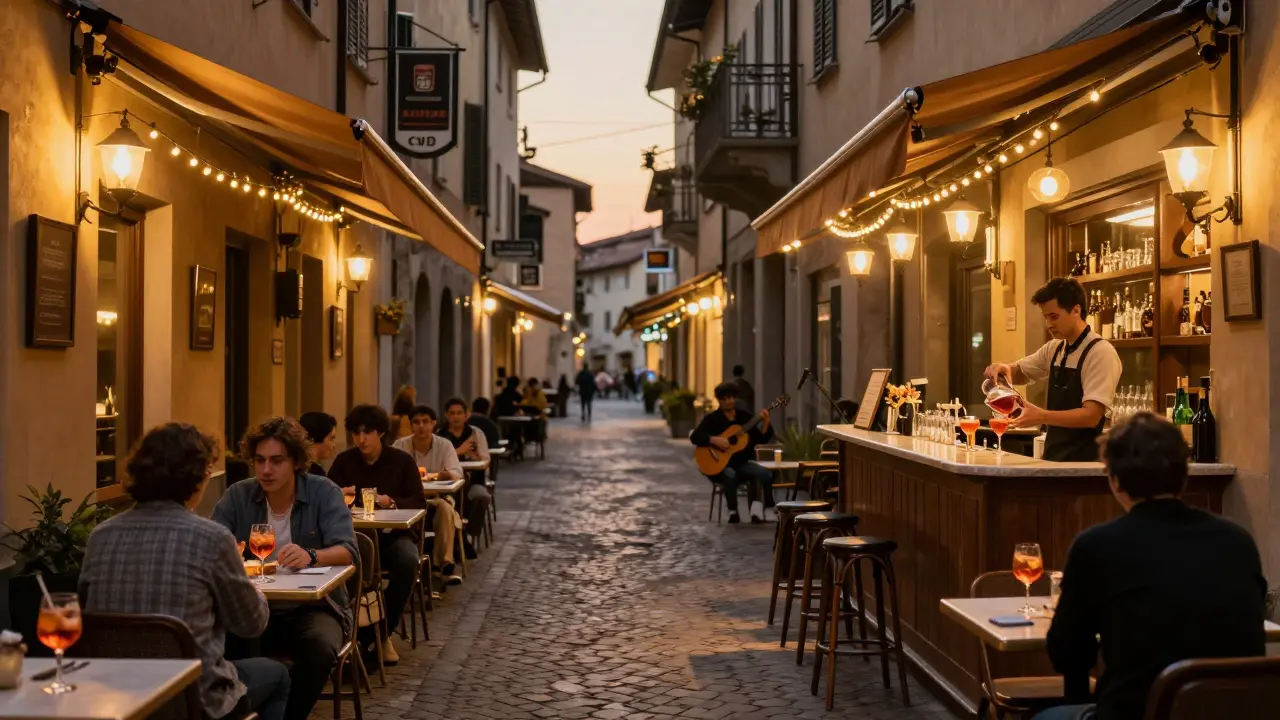
Brera is the neighborhood where Milan’s nightlife begins. It’s not flashy, but it’s alive. Around 7 p.m., locals fill the narrow streets with a glass of Aperol Spritz in hand. This isn’t just a drink-it’s a ritual. You’ll find bars like Bar Basso, where the Negroni Sbagliato was invented in 1967. Order one. Sit at the counter. Watch the bartender pour it like a scientist measuring chemicals. That’s how seriously they take it here.
By 9 p.m., the crowd shifts from professionals in tailored coats to students in vintage jackets. Tables spill onto cobblestones. Laughter mixes with live acoustic guitar. This isn’t a club. It’s a living room with wine glasses.
Navigli: Canals, Cocktails, and Late-Night Beats
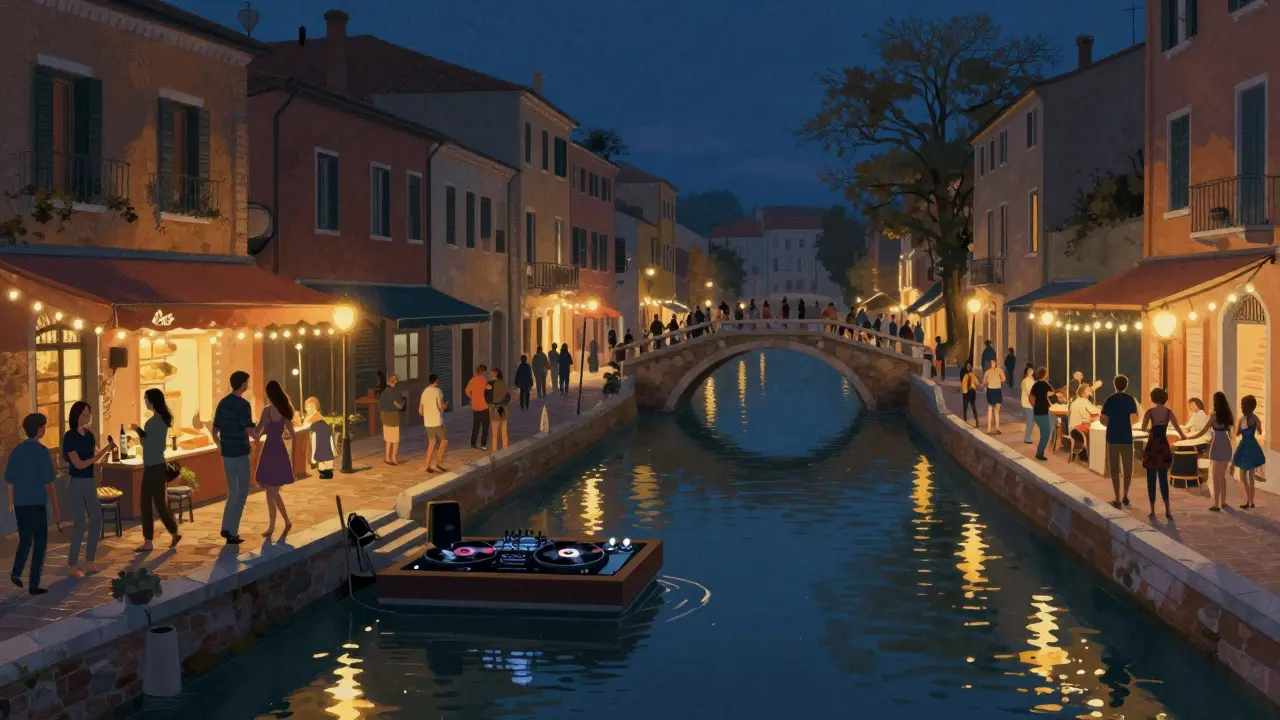
Head south to Navigli, the canal district that turns into an open-air party zone on weekends. The canals are lined with terraces, each one different. Some play vinyl-only sets. Others have DJs spinning Italian disco from the ‘80s. La Nave is the spot where locals go when they want to dance without being stared at. No velvet ropes. No cover charge before midnight. Just a cold Birra Moretti and a crowd that knows how to move.
On Friday and Saturday nights, the entire stretch from Darsena to Porta Genova fills with people. You’ll see couples walking hand-in-hand with cocktails, friends laughing over pizza al taglio, and strangers dancing on the bridge under string lights. It’s not organized. It’s organic. And that’s why it works.
Porta Romana: The Underground Scene
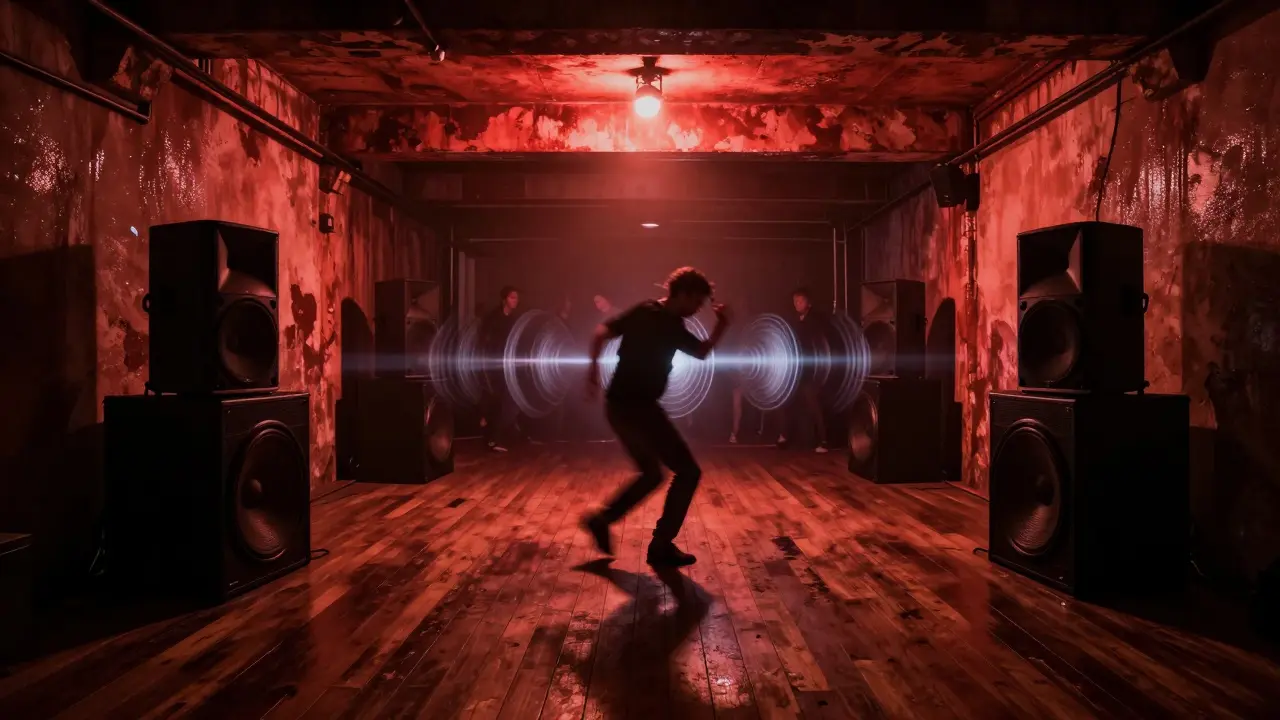
If you’re looking for something that feels like a secret, head to Porta Romana. This is where Milan’s electronic music scene hides. Clubs here don’t advertise on Instagram. You find them by word of mouth. Magazzini Generali is one of them. Tucked inside a converted warehouse, it’s dim, loud, and smells like sweat and old wood. The sound system is built by engineers who care more about bass depth than decor. People come here for the music, not the VIP section.
Doors open at 1 a.m. and stay open until 6 a.m. No one checks your outfit. No one asks if you’re on the list. You just walk in. The crowd? Mostly Italians in their 20s and 30s, but also artists from Berlin, DJs from Lisbon, and students from Bocconi University. Everyone’s here for the same reason: the beat doesn’t stop until the sun comes up.
Corso Como: Style Meets Substance
Corso Como is where Milan’s elite unwind. It’s not a club. It’s a lifestyle. The complex includes a design store, a restaurant, a bar, and a lounge-all under one roof. Corso Como 10 is the main attraction. By night, it becomes a magnet for influencers, musicians, and fashion insiders. The lighting is soft. The music is curated. The drinks? Expensive, but worth it if you want to see who’s really in town.
It’s not for everyone. If you’re wearing sneakers and a hoodie, you’ll feel out of place. But if you want to see Milan’s high-end nightlife without the pretension of a nightclub, this is the place. The vibe is chill. The crowd is quiet. And the cocktails? Made with house-infused syrups and edible flowers.
Where to Go When You’re Tired of Dancing
Not every night ends with a club. Sometimes, you just want to sit, sip something warm, and listen to someone play the piano. La Cucina di Lilli in the Navigli area opens at midnight. It’s a tiny kitchen turned into a late-night eatery. Order the cotoletta with truffle fries. Drink a glass of Lambrusco. The owner, Lilli, plays old Italian ballads on a record player. No one talks. Everyone listens.
Or head to Bar Basso again-yes, back to the same place. At 3 a.m., the crowd thins. The bartender remembers your name. He pours you a second Negroni, no questions asked. That’s Milan. It doesn’t need to shout to be memorable.
What to Know Before You Go
- Timing matters. Clubs don’t fill up until after midnight. Show up at 10 p.m., and you’ll be the only one there.
- Dress smart, not flashy. No flip-flops. No baseball caps. Dark jeans, a nice shirt, and clean shoes are enough.
- Cash is still king. Many small bars and clubs don’t take cards. Keep €20-€30 on you.
- Public transport runs late. The metro stops at 1 a.m., but night buses (N lines) run until 5 a.m. Download the ATM Milano app to track them.
- Don’t expect English everywhere. Learn three phrases: “Un Aperol Spritz, per favore,” “Quanto costa?”, and “Dove si va dopo?”
Seasonal Changes: What’s Different in Winter
Winter in Milan doesn’t kill the nightlife-it just changes its shape. Outdoor terraces close. But indoor venues get cozier. Il Salotto in the Brera district turns into a speakeasy-style lounge with fur throws and candlelight. They serve mulled wine and smoked whiskey cocktails. The music? Jazz trios and soul records.
December and January are quiet months for tourists, which means locals have the scene to themselves. That’s when you’ll find the best parties. No lines. No crowds. Just real people, real music, and real nights.
What Not to Do
- Don’t try to get into clubs by pretending you’re a VIP. Milanese people can spot a tourist from 50 meters away.
- Don’t ask for “American-style” drinks. They’ll either laugh or serve you something you didn’t expect.
- Don’t take photos of people dancing without asking. It’s rude.
- Don’t expect to find a Starbucks at 2 a.m. You won’t.
Final Thought: Milan’s Nightlife Is About Connection
This isn’t a city that throws parties to impress. It throws them to feel alive. You won’t find EDM festivals with fireworks over the Duomo. You’ll find a 70-year-old man playing accordion on a bridge while a group of students sing along. You’ll find a woman in a trench coat handing out homemade cookies at 4 a.m. outside a club. You’ll find silence between songs, and then a single beat that makes everyone stop and smile.
Milan’s nightlife isn’t about how loud it is. It’s about how deeply it lets you feel something.
What time do clubs in Milan usually open?
Most clubs in Milan don’t really get going until after midnight. Some open at 11 p.m., but the real crowd arrives between 1 a.m. and 2 a.m. If you show up at 10 p.m., you’ll likely be the only one there. The energy builds slowly, and the best moments happen after 2 a.m.
Is Milan nightlife safe for solo travelers?
Yes, Milan is one of the safest major European cities for solo travelers at night. The main nightlife areas-Brera, Navigli, and Porta Romana-are well-lit and patrolled. Still, stick to busy streets, avoid overly isolated alleys after 3 a.m., and keep your belongings close. Most locals are friendly and will help if you look lost.
Do I need to book tables in advance?
For rooftop bars and popular spots like Corso Como 10, yes-book ahead. But for most underground clubs and local bars, no. Walk-ins are the norm. If you’re going to a big-name club on a Saturday night, check their Instagram for event details. Some require online RSVPs, but most don’t.
What’s the average cost for a night out in Milan?
Aperitivo (drink + snacks) costs €10-€15. A cocktail at a trendy bar runs €14-€18. Club entry is usually free until midnight, then €5-€15. Drinks inside clubs are €8-€12. If you stick to local spots and avoid tourist zones, you can have a full night out for €30-€50.
Are there any quiet bars for conversation?
Definitely. Try La Cucina di Lilli after midnight for cozy vibes, or Bar Basso in the early hours for quiet Negronis. Il Salotto in Brera offers intimate seating and jazz on weekends. These places are designed for talking, not dancing.