Forget the tourist traps. If you want to know what really happens in Istanbul after dark, you need to go where the locals go. The city doesn’t sleep-it hums, pulses, and explodes with energy from sunset until sunrise. You won’t find it in guidebooks that list the same five rooftop bars. You’ll find it in alleyways where music spills out of hidden doorways, in shisha lounges with old men playing backgammon, and in clubs where the bassline hits harder than the Bosphorus waves.
Where the Locals Actually Go
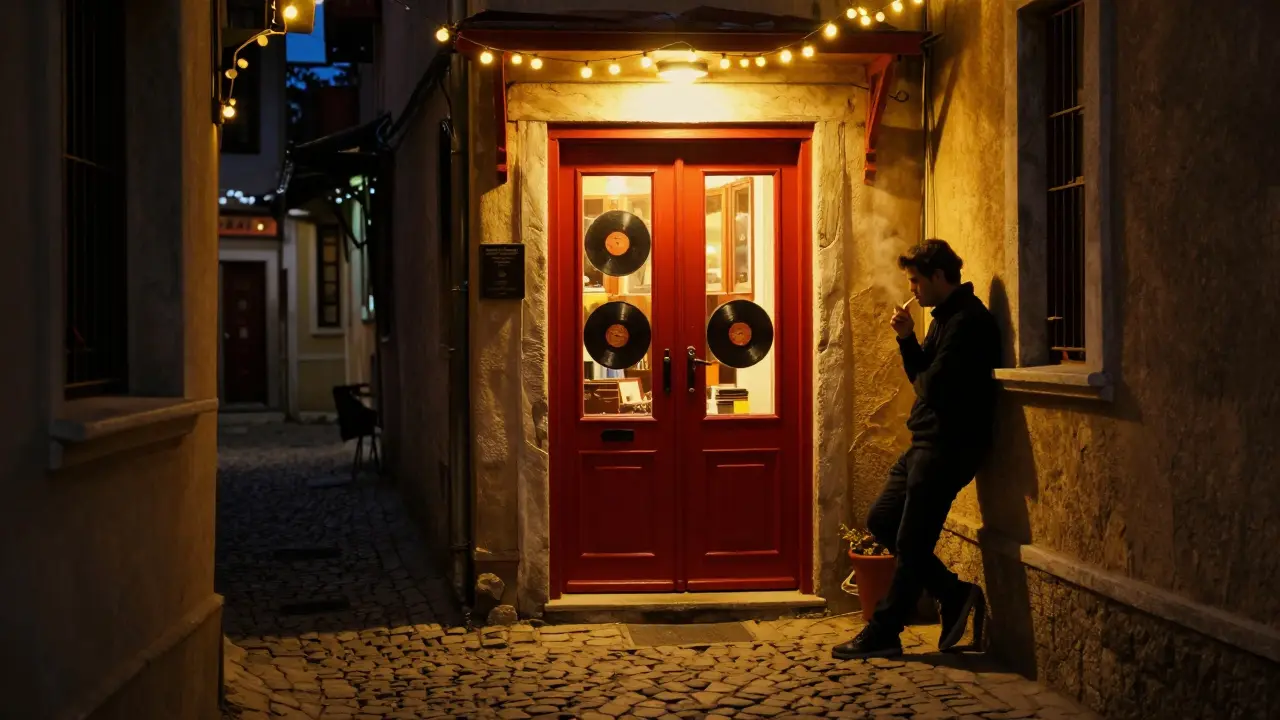
Beyoğlu is the heart of Istanbul’s nightlife, but even there, not every street is created equal. İstiklal Caddesi is packed with tourists, but walk just one block east to Cihangir or south to Nişantaşı, and the vibe shifts. In Cihangir, you’ll find Bar 1919, a tiny, unmarked spot with no sign, just a red door. Inside, jazz plays on vinyl, and the bartender knows your name by the third drink. It’s not on Instagram. Locals found it by word of mouth.
Head to Kadıköy on the Asian side, and you’ll see a different side of Istanbul after dark. It’s younger, wilder, and less polished. Çarşı is the neighborhood’s beating pulse. Bars like Değirmen serve cheap rakı with meze plates that cost less than a coffee in Taksim. The crowd? Students, artists, musicians. The music? Turkish indie rock, Balkan beats, or a DJ spinning old Turkish pop records. No velvet ropes. No cover charge before midnight.
Clubs That Actually Move
If you’re looking for a club that feels like a party, not a photo op, skip the high-rise lounges. Klub 19 in Nişantaşı is where Istanbul’s electronic scene lives. It’s underground, literally-down a narrow stairwell behind a nondescript door. The sound system is calibrated by engineers who work with Berlin clubs. The crowd? Mix of locals, expats who’ve been here five years, and a few brave tourists who followed the right person’s advice.
For something more experimental, Bar 6 in Karaköy turns into a live music venue on weekends. Bands play everything from Turkish folk fused with techno to avant-garde jazz. No one takes photos. Everyone just listens. The owner, a former punk rocker from Ankara, doesn’t allow phones on the dance floor. It’s one of the few places in the city where you can actually feel the music instead of recording it.
The Art of the Turkish Night Out
Istanbul nights don’t start at 10 p.m. They start at midnight. Locals eat dinner late-usually around 9 or 10-then spend an hour walking, talking, sipping tea or ayran. The real night begins after that. You’ll see groups of friends wandering from one spot to another, never staying long enough to get bored. It’s not about drinking until you pass out. It’s about conversation, connection, and the rhythm of the city.
Start with a meze crawl. Order small plates of stuffed grape leaves, grilled eggplant, and spicy cheese at places like Çiya Sofrası in Kadıköy. Then move to a shisha lounge like Arabian Nights in Beyoğlu. Don’t be fooled by the touristy decor-this place has been around since the 90s. The hookah is fresh, the tea is strong, and the chatter never stops.
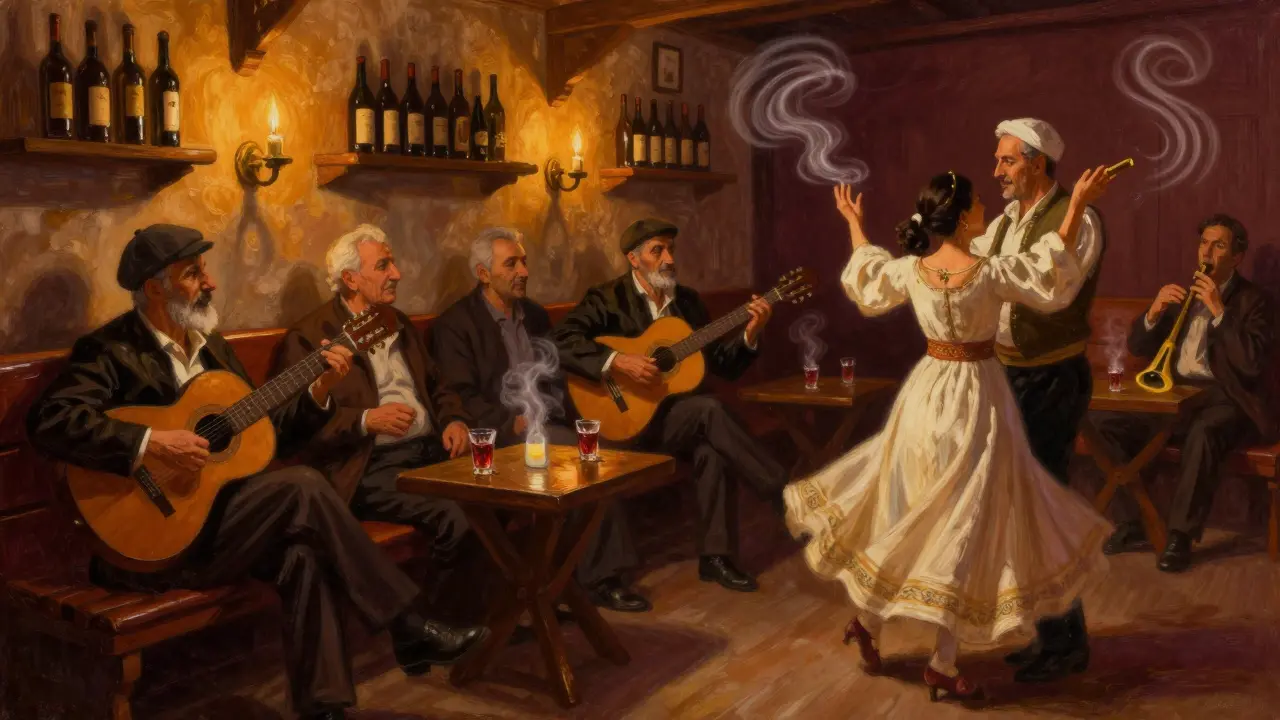
By 2 a.m., you’ll find yourself in a meyhane-a traditional Turkish tavern. These aren’t bars with neon signs. They’re dimly lit rooms with wooden benches, wine bottles on the wall, and men singing folk songs with guitars. Asitane in Fatih is one of the oldest, serving dishes unchanged since Ottoman times. You’ll hear zurna music, see men dancing the halay, and feel like you’ve stepped into a time capsule.
What to Drink
Rakı is the national drink, but it’s not just alcohol-it’s culture. It’s served with water and ice, turning milky white, and always with meze. Locals sip it slowly, talking for hours. Don’t rush it. The goal isn’t to get drunk-it’s to stay awake and engaged.
Wine is huge in Turkey, and the quality has exploded in the last decade. The Aegean region produces bold reds like Öküzgözü and Boğazkere. Try a glass at Wine Bar 1907 in Karaköy. They pour by the glass and know their vintages. Craft beer is growing too. İstanbul Craft Beer Company in Kadıköy brews everything from hoppy IPAs to fig-infused stouts. Their taproom is small, loud, and full of locals.
And yes, there’s Turkish coffee-but not the way you think. Skip the tourist shops. Go to Çamlıca Kahvesi on the Asian side, where the coffee is thick, bitter, and served with a glass of water. People sit for hours. They don’t drink it fast. They savor it.
When to Go and How to Get Around
The best nights are Wednesday through Saturday. Friday and Saturday are packed, but that’s when the energy peaks. Sunday nights are quiet-locals are recovering. Monday is dead. Tuesday? That’s when the real insiders go to Bar 1919 or Bar 6. No crowds. No lines.
Public transport runs until 3 a.m. on weekends. The metro and tram are safe, clean, and cheap. But the real secret? Walk. Istanbul is a city built for strolling. The streets are alive. The lights glow. The smells-spices, grilled meat, wet pavement-change with every block. Don’t rely on Uber. Taxis are everywhere, but make sure the meter is on. If it’s not, walk.
What Not to Do
Don’t wear flip-flops to a club. Even in summer, the floors are cold, the music is loud, and people dress up. Jeans and a nice shirt are enough. No need for suits.
Don’t ask for vodka and Red Bull. No one drinks that here. You’ll look like a tourist who’s watched too many American movies.
Don’t take photos inside meyhanes or private clubs without asking. Many locals see it as intrusive. A smile and a nod go further than a phone camera.
And don’t leave before 3 a.m. If you do, you’re missing the best part-the quiet moments after the music fades, when the city feels like it’s yours alone.
Where to End the Night
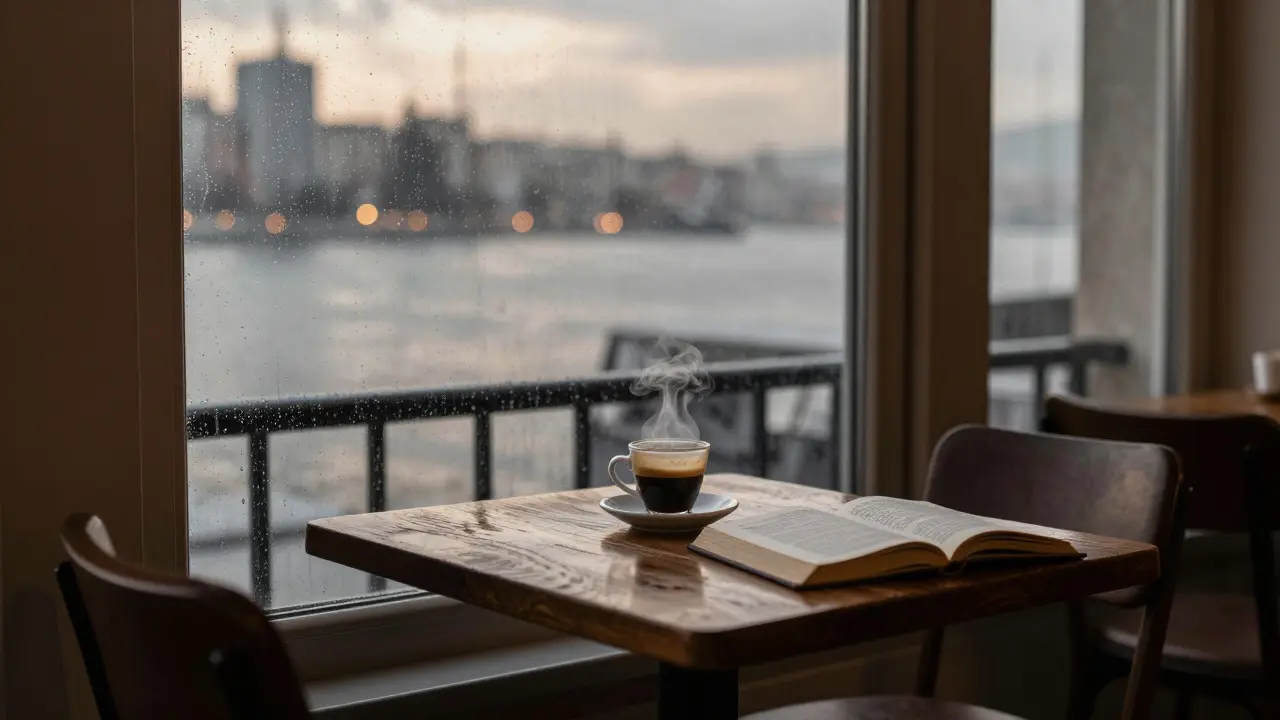
There’s one place that locals swear by: Çiğdem Kafe in Cihangir. Open until 6 a.m., it’s a tiny café with mismatched chairs, old books on the shelves, and a single espresso machine that’s been running since 1987. The owner, a retired teacher, serves coffee to poets, musicians, and night owls who just want to sit and think. No music. No Wi-Fi. Just steam rising from a cup, the sound of rain on the roof, and the quiet hum of a city that never really sleeps.
If you’re still awake at sunrise, walk to the Galata Bridge. Watch the fishermen casting their lines over the Bosphorus. Buy a simit from a street vendor. Eat it while the sky turns gold. That’s the real Istanbul nightlife. Not the clubs. Not the bars. The quiet moments after the noise fades.
Is Istanbul nightlife safe for tourists?
Yes, Istanbul’s nightlife is generally safe for tourists, especially in areas like Beyoğlu, Karaköy, and Kadıköy. The streets are well-lit, police presence is visible on weekends, and locals are usually helpful. Avoid poorly lit alleys after 2 a.m., and never accept drinks from strangers. Stick to busy areas, use official taxis with meters, and keep valuables out of sight. Most incidents involve pickpockets in crowded spots, not violence.
What’s the legal drinking age in Istanbul?
The legal drinking age in Turkey is 18. You’ll be asked for ID at most bars and clubs, especially if you look under 25. Carry your passport or a copy of your ID. Some places, especially in conservative neighborhoods, may be stricter and turn away anyone under 21. Don’t be surprised if you’re carded-even if you’re 25.
Are there any dress codes for clubs in Istanbul?
Most clubs don’t have strict dress codes, but smart casual is the norm. Jeans, a nice shirt, and closed shoes work for most places. Avoid shorts, flip-flops, or tank tops in upscale spots like Klub 19 or Bar 1919. Some venues, especially those with live music or themed nights, may ask for a jacket or no sportswear. When in doubt, dress a little nicer than you think you need to.
Can I find English-speaking bartenders in Istanbul?
In tourist-heavy areas like Taksim and Karaköy, yes-most bartenders speak basic to fluent English. But in local spots like Cihangir, Kadıköy, or Fatih, English is rare. Learn a few Turkish phrases: "Teşekkür ederim" (thank you), "Lütfen" (please), "Ne var?" (What’s up?). Locals appreciate the effort. Even a simple smile in Turkish goes further than perfect English.
What time do clubs close in Istanbul?
Most clubs close between 4 a.m. and 5 a.m., but some stay open until 6 a.m. or later. Places like Klub 19 and Bar 6 often run until sunrise, especially on weekends. After-hours spots like Çiğdem Kafe are open until 6 a.m. and serve coffee, not alcohol. If you want to party until dawn, aim for Friday or Saturday nights. Weeknights wind down earlier.
If you’re looking for more than just a night out, explore the city’s hidden music scene. Look for live jazz at İstanbul Jazz Center, or catch a traditional tanbur performance at İstanbul Music Society. These aren’t tourist shows-they’re real performances by artists who’ve spent decades mastering their craft. The best nights in Istanbul aren’t the loudest. They’re the ones where you feel like you’ve slipped into the rhythm of the city-and stayed there.