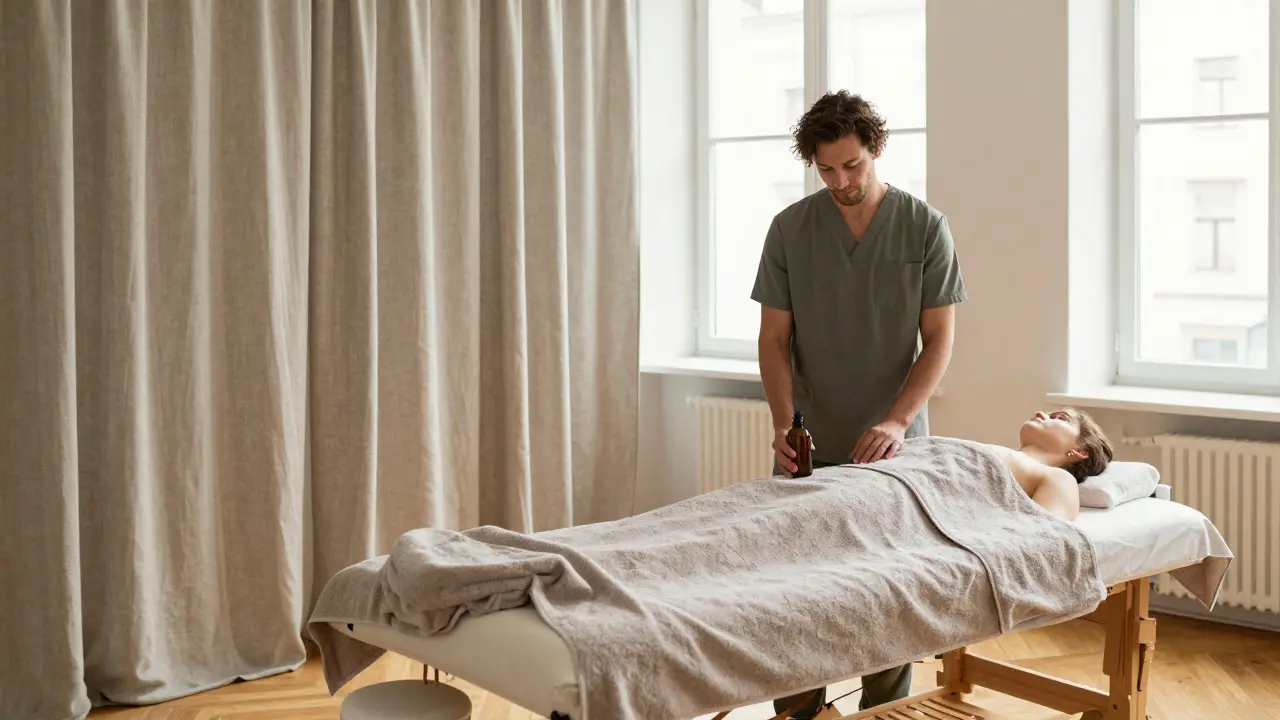
People hear "sex massage in Berlin" and immediately picture something shady, illegal, or exploitative. But the reality is far more complicated-and far more ordinary. Berlin doesn’t have secret underground rooms where you walk in and get something you didn’t ask for. What you find instead are licensed therapists, gray zones in the law, and a lot of confusion fueled by tourism blogs and horror stories from Reddit.
What Exactly Is a Sex Massage?
There’s no official definition. In Berlin, "sex massage" usually means one of two things: a sensual massage that stops short of sexual intercourse, or a service that crosses into sexual activity. The difference isn’t always clear-even to the people offering it. Some therapists call it "erotic massage" and say it’s about relaxation and touch. Others openly advertise "full service" and charge more for it. The line isn’t drawn by the therapist. It’s drawn by the law.
Germany doesn’t ban prostitution. It regulates it. That means if someone is offering sexual services in exchange for money, they’re technically legal-as long as they’re registered, pay taxes, and don’t work under coercion. But here’s the catch: massage parlors aren’t licensed as sex work establishments. They’re registered as wellness centers or spa businesses. So if a therapist offers sex, they’re breaking the rules of their business license, even if the act itself isn’t illegal.
The Myths That Keep People Confused
Myth #1: "All sex massages in Berlin are illegal."
No. The act of paying for sex isn’t illegal. But operating a business that facilitates it without the right license is. Many massage places in Berlin operate in legal gray areas. They don’t advertise sex. They don’t say "sex massage" on their website. They say "sensual relaxation" or "bodywork"-and if you ask, they’ll tell you what’s possible. That’s not a loophole. It’s how the system works.
Myth #2: "You’ll get scammed or trapped."
That happens-but not as often as you think. Most reports of scams come from tourists who walked into unlicensed spots in red-light districts without checking reviews. Reputable places in neighborhoods like Kreuzberg, Neukölln, or Schöneberg have Google reviews, clear pricing, and professional staff. They don’t pressure you. They don’t lock doors. They don’t demand cash upfront. If a place feels off, it probably is. Trust your gut.
Myth #3: "It’s all about sex."
Many clients come for stress relief, not arousal. Berlin has a high-pressure work culture. People are tired. A skilled therapist can release tension in your shoulders, back, and hips without ever touching your genitals. Some clients never go past a full-body massage. Others do. It depends on what you’re looking for-and what the therapist is comfortable offering.
What the Law Actually Says
Germany’s Prostitution Act (ProstG), updated in 2017, requires sex workers to register with local authorities, get health checks, and pay taxes. But massage businesses fall under the Gewerbeordnung (Trade Regulation Act). They need a business license for "wellness services"-not "sexual services." So if a therapist offers sex, they’re violating their business license. That’s why most places avoid the word "sex." They don’t want to risk losing their license, getting fined, or being shut down.
Police don’t raid massage parlors for sex work unless there’s a complaint about coercion, underage workers, or human trafficking. Most of the time, they ignore them. That’s not because they’re turning a blind eye. It’s because the system is designed to tolerate gray areas. The law targets exploitation, not consensual adult transactions.
How to Find a Reputable Place
If you’re looking for a legitimate experience, here’s how to avoid trouble:
- Look for places with verified Google or Trustpilot reviews. Avoid places with no reviews or only 5-star ratings (fake ones are obvious).
- Check the website. Legit places have professional photos, clear pricing, and contact info. If the site looks like it was made in 2008 with clipart, walk away.
- Call or message first. Ask what services they offer. If they say "everything" or "you’ll see," that’s a red flag. If they say "sensual massage, full-body, no intercourse," that’s a better sign.
- Go during daylight hours. Reputable places are open between 11 a.m. and 8 p.m. Late-night-only spots are riskier.
- Pay at the front desk. Never pay cash directly to the therapist. That’s a sign they’re avoiding taxes-and you’re at higher risk of being overcharged or scammed.
Some trusted names in Berlin’s wellness scene include Body & Soul Berlin, Harmony Touch, and Leben & Berührung. These aren’t brothels. They’re wellness centers with trained therapists who understand boundaries. Many have backgrounds in physiotherapy, yoga, or somatic therapy.
What to Expect During a Session
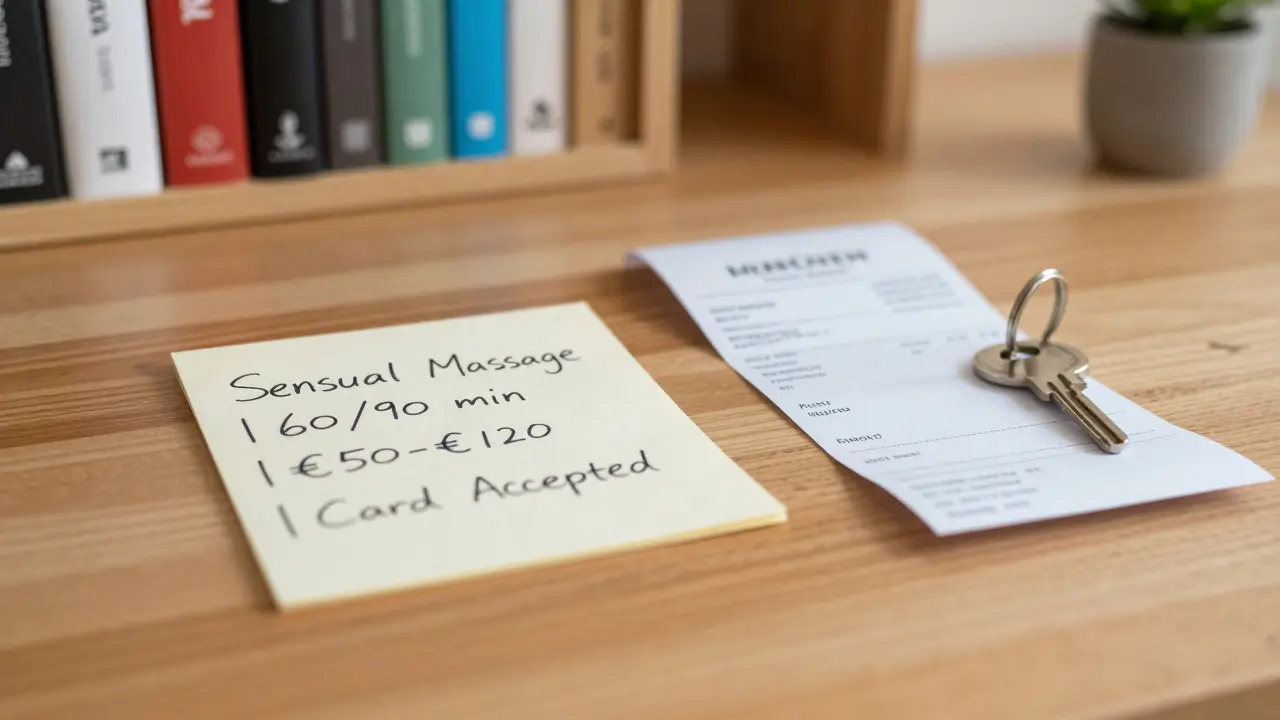
Most sessions last 60 to 90 minutes. You’ll undress privately and lie under a towel. The therapist will use oil and focus on your back, legs, arms, and sometimes chest. If you’re comfortable, they might offer a gentle genital massage-but only if you ask and they’re trained to do it. It’s not automatic. It’s not expected. It’s optional.
Therapists are trained to read cues. If you tense up, they’ll stop. If you don’t say anything, they’ll assume you’re okay. Communication is key. You can say "I’m not comfortable with that" at any point. No one will argue. No one will pressure you. That’s the standard in professional spaces.
Sexual intercourse never happens in these settings. Not because it’s illegal-it’s not-but because it’s not what clients come for. Most want relief, not arousal. And most therapists don’t want to risk their livelihood over one session.
Why This Keeps Happening in Berlin
Berlin is one of the few cities in Europe where adult services are tolerated, not criminalized. That’s why it attracts people from all over. But it’s not a free-for-all. The city has a long history of progressive social policies. Sex work is seen as labor, not sin. That doesn’t mean it’s perfect. There are still predators. There are still bad actors. But the majority of services are run by people who want to work safely, legally, and with dignity.
The real issue isn’t the massage. It’s the stigma. People are afraid to ask questions because they think they’ll be judged. So they go to random places online, get ripped off, and blame the whole industry. That’s not fair. It’s like blaming all restaurants because one food truck gave you food poisoning.
What’s the Real Cost?
Prices vary by location and experience. A basic 60-minute sensual massage starts at €50. A 90-minute session with a certified therapist costs €80-€120. If you’re asking for services that go beyond touch-like oral sex-it’s €150-€250. But again, that’s not advertised. You have to ask. And if you’re asked to pay extra on the spot, that’s a warning sign.
Most places accept card payments. Cash is okay, but you’ll get a receipt. That’s important. It means they’re reporting income. And if something goes wrong, you have proof of payment.
Is It Worth It?
For some, yes. For others, no. If you’re looking for a therapeutic experience-deep tissue, relaxation, human touch without judgment-you’ll find it. If you’re looking for a quick sexual encounter, you’ll probably be disappointed. The best sessions aren’t about sex. They’re about presence. About being touched without expectation. About feeling safe in your own body.
Berlin doesn’t offer sex massages. It offers human connection. And sometimes, that’s more valuable than you think.
Is sex massage legal in Berlin?
The act of paying for sex is legal in Germany, but massage businesses aren’t licensed to provide sexual services. So while the service might happen, the business offering it is breaking its own license. That’s why most places avoid the term "sex massage" and operate in a gray area.
Can I get arrested for getting a sex massage in Berlin?
No, as a client, you won’t be arrested for paying for sex. German law doesn’t criminalize the buyer. Police only act if there’s evidence of coercion, trafficking, or underage workers. Your biggest risk is getting scammed by an unlicensed operator, not arrested.
Are all massage parlors in Berlin fronts for prostitution?
No. Many are legitimate wellness centers with trained therapists who specialize in relaxation, pain relief, and bodywork. Some offer sensual touch as part of holistic therapy. Others cross into sexual services. It varies by place. Always check reviews, pricing, and professionalism before booking.
How do I know if a therapist is safe and professional?
Look for clear communication, professional websites, verified reviews, and transparent pricing. Avoid places with no contact info, no reviews, or that pressure you to pay cash. Reputable therapists will respect boundaries, allow you to keep your underwear on, and never insist on services you didn’t agree to.
What’s the difference between a sensual massage and a sex massage?
A sensual massage focuses on relaxation, touch, and tension release. It may include gentle contact with intimate areas, but stops short of intercourse or oral sex. A sex massage implies sexual activity is part of the service. In Berlin, the difference is often in the wording-not the practice. Always clarify what’s included before starting.