Milan doesn’t shut down when the sun goes down-it wakes up. While the city is famous for fashion and design, its nightlife is just as sharp, diverse, and unforgettable. Forget the clichés of stiff cocktail bars and tourist traps. Real Milan after dark is a mix of hidden courtyards, buzzing canalside lounges, underground techno dens, and historic wine cellars that feel like stepping into a movie. Whether you’re here for a quick weekend or a long stay, knowing where to go makes all the difference.
Start in Navigli: The Canals That Never Sleep
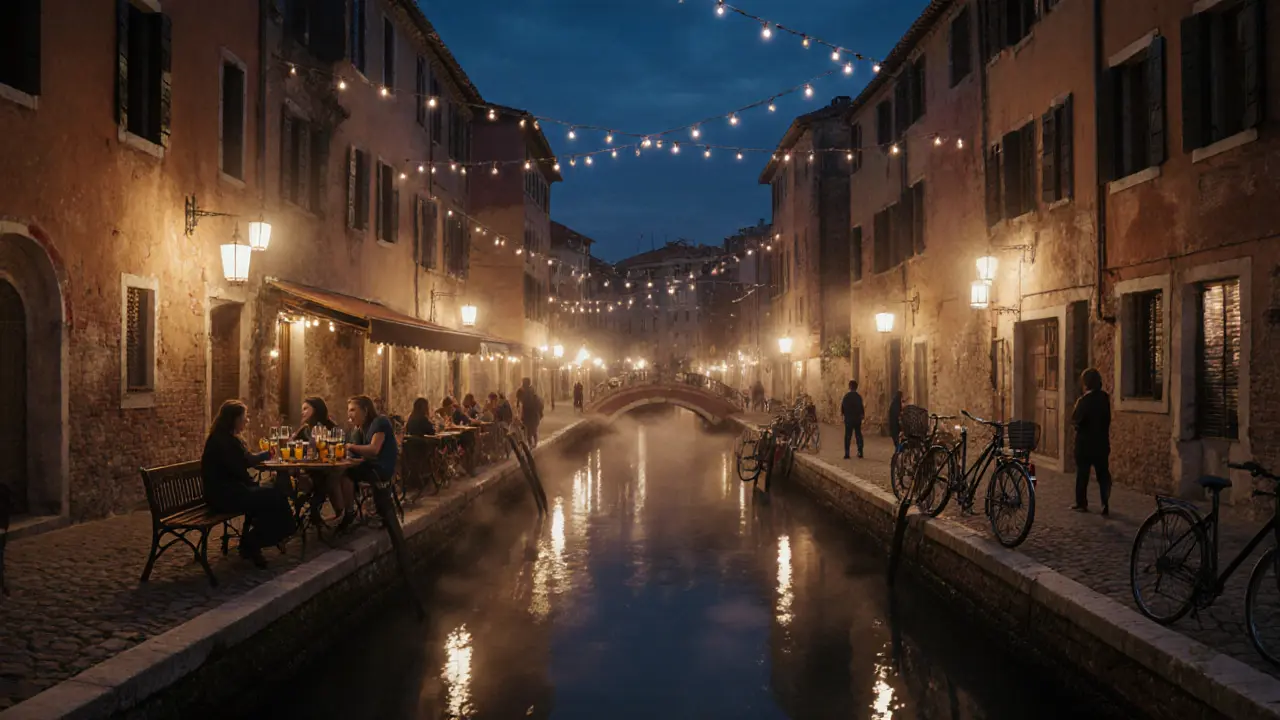
Head south to the Navigli district, where two canals meet in a maze of cobblestone streets lined with lantern-lit terraces. This is where locals go to unwind after work. The vibe here isn’t about loud music or VIP sections-it’s about sipping Aperol spritzes while people-watching from a wooden bench. Bar Basso, founded in 1952, is the birthplace of the Negroni Sbagliato. Order one. Sit back. Watch the light bounce off the water.
As night deepens, the crowd shifts. Young professionals, artists, and students spill out of smaller joints like Bar del Fico and La Scala dei Fiori. These aren’t clubs. They’re living rooms with wine, craft beer, and live jazz. If you want to feel like a local, don’t rush. Stay until 1 a.m. The real magic starts when the tourists leave.
Brera: Where Art Meets After-Hours
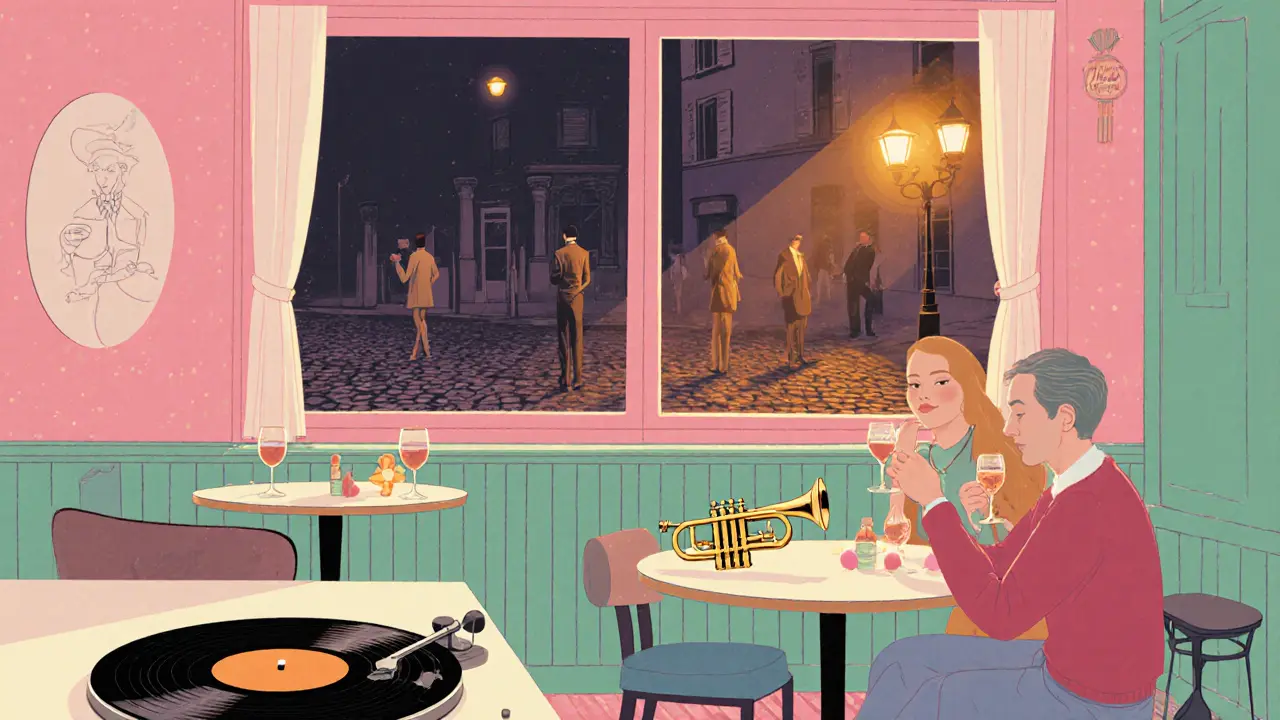
Brera is Milan’s bohemian heart. Narrow streets, Renaissance palazzos, and tucked-away wine bars make this neighborhood feel like a secret. Start at Enoteca Pinchiorri for a curated list of Italian wines by the glass-ask for something from Sicily or Piedmont. Then wander to Bar Basso’s little cousin, Bar Luce, designed by Wes Anderson. It’s a pastel-colored dive bar that looks like a 1950s Italian film set. It’s not just pretty-it’s the perfect place to sip a neat grappa while listening to vinyl.
By midnight, the energy moves to La Cucina di Brera, a tiny spot that turns into a standing-room-only party. No reservations. No menu. Just pizza slices, prosecco, and a crowd that’s already dancing. Don’t expect a DJ. You’ll hear someone’s phone playing Italian pop, and everyone will join in. That’s Milanese nightlife: unplanned, unpolished, and real.
Porta Venezia: The Underground Scene
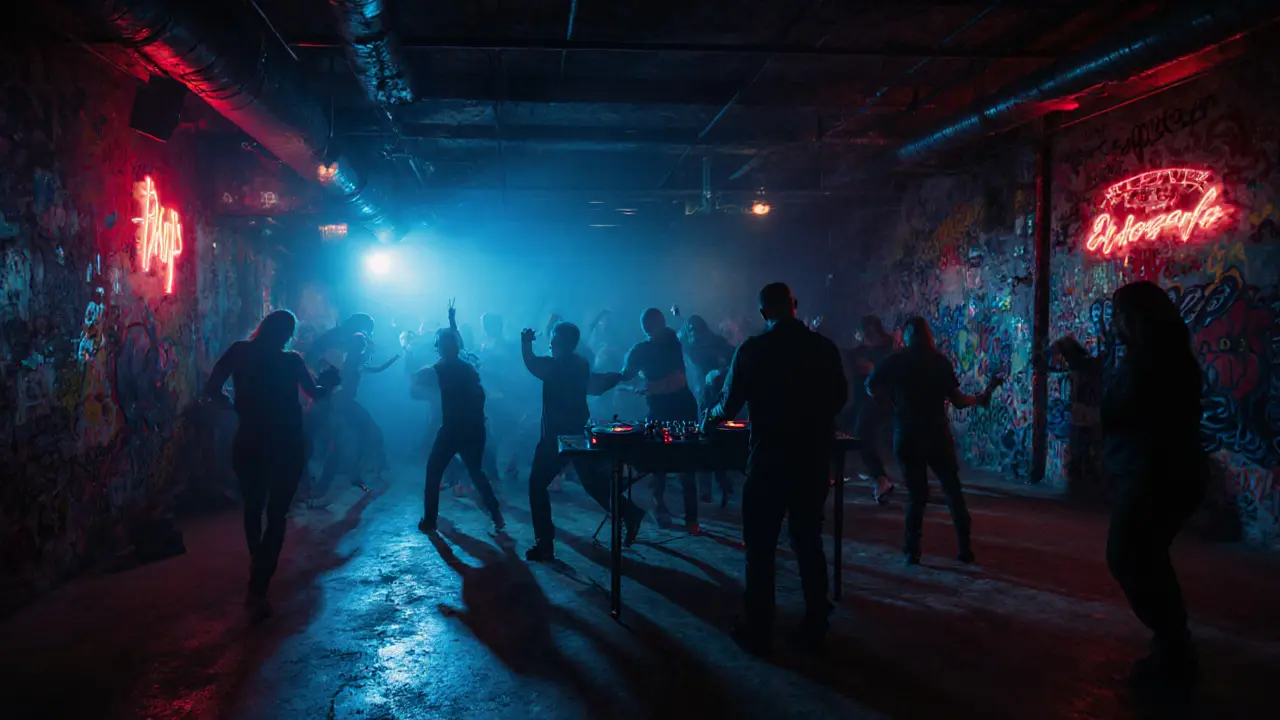
If you’re looking for something grittier, head to Porta Venezia. This is where Milan’s alternative scene thrives. La Cucina del Povero is a basement bar that serves cheap cocktails and hosts punk gigs on weekends. The walls are covered in stickers, the floor is sticky, and the sound system blasts everything from post-punk to techno. It’s not for everyone-but if you want to see Milan beyond the glossy ads, this is your spot.
Just down the street, Ex Dogana is a former customs warehouse turned into a multi-room club. On Friday and Saturday nights, it draws a crowd from across Europe. The music changes by room: one floor is deep house, another is experimental electronic, and the basement? That’s where the local DJs test new tracks. No bottle service. No dress code. Just good sound and a crowd that’s there for the music, not the photo op.
Turro and Lambrate: The New Frontiers
Don’t overlook the neighborhoods east of the city center. Turro and Lambrate are where young creatives are building something new. Bar Luce has a sibling here: Bar Pasticceria Pavesi, open until 3 a.m., serving espresso martinis and cannoli until the last guest leaves.
At Officine Ugo Foscolo, an old factory space hosts monthly parties with live painters, DJs, and open mic nights. It’s not advertised on Instagram. You find out through word of mouth. That’s the rule here: if you have to search for it, you’re probably in the right place.
What to Know Before You Go
Milan’s nightlife doesn’t follow the same rules as other European cities. Clubs rarely open before 1 a.m. and don’t really get going until 2 or 3. Most places don’t serve food after midnight, so eat early. Cash is still king in many small bars-especially in Navigli and Brera. Credit cards are accepted in bigger clubs, but always carry €20-30.
Dress smart-casual. You won’t see people in sweatpants, but you also won’t need a suit. Think dark jeans, a nice shirt, and clean shoes. Milanese people notice details. They’ll notice if you’re trying too hard-or if you’re not trying at all.
Public transport runs until 1:30 a.m. on weekdays and 2:30 a.m. on weekends. After that, you’ll need a taxi. Uber isn’t reliable here. Use FreeNow or local taxi apps. Don’t walk alone late at night in unfamiliar areas, even if the city feels safe.
Best Time to Visit
June through September is peak season. The weather is warm, the terraces are full, and festivals like Milano Pride and Summer Night Lights bring extra energy. But if you want to avoid crowds, go in May or October. The weather is still pleasant, the locals are back from vacation, and the vibe is more relaxed.
Winter nights in Milan have their own charm. The canals glow under string lights. Indoor jazz clubs like Blue Note Milano host intimate sets. And the thermal baths at Terme di Milano stay open late-perfect for warming up after a cold evening walk.
What to Skip
Stay away from the area around Piazza del Duomo after 10 p.m. unless you’re going to a specific venue. The streets there are packed with tourists, overpriced cocktails, and bouncers who turn away anyone who doesn’t look like they belong. Same goes for the big clubs near San Babila-they’re loud, expensive, and often filled with people who just want to be seen.
Don’t fall for the “exclusive” clubs that charge €50 just to get in. Most of them play Top 40 hits and have no real music culture. You’ll pay more, see less, and leave bored.
Final Tip: Follow the Locals
The best way to find the real spots? Ask someone who lives here. Not a hotel concierge. Not a tour guide. Ask the barista who makes your espresso in the morning. Ask the shopkeeper in Brera. Ask the person behind the counter at the grocery store. They’ll tell you where they go after work. And that’s where you should go too.
Milan’s nightlife isn’t about bragging rights. It’s about connection. A shared bottle of wine. A song you didn’t know you loved. A late-night conversation that lasts until sunrise. That’s what stays with you long after the last drink is poured.
What time do clubs in Milan usually open?
Most clubs in Milan don’t open until 1 a.m., and the real energy doesn’t start until 2 or 3 a.m. Bars and lounges in Navigli and Brera stay open later, but if you want to dance, plan to arrive after midnight. Don’t show up at 10 p.m.-you’ll be the only one there.
Is Milan nightlife expensive?
It depends on where you go. In tourist-heavy areas like Duomo or San Babila, cocktails can cost €15-20. But in Navigli, Brera, or Porta Venezia, you can get a good beer for €6 and a cocktail for €10. Many small bars offer happy hours from 6 to 9 p.m. with half-price drinks. Skip the big-name clubs-they’re overpriced and underwhelming.
Do I need to dress up for Milan nightlife?
You don’t need a suit, but you should look put together. Milanese people pay attention to style. Dark jeans, a clean shirt, and neat shoes work for most places. Avoid sneakers, hoodies, or flip-flops unless you’re going to a warehouse party in Lambrate. If you look like you’re trying too hard, you’ll stand out for the wrong reasons.
Can I use credit cards everywhere?
Most larger clubs and restaurants accept cards, but many small bars, especially in Navigli and Porta Venezia, are cash-only. Always carry at least €20-30 in cash. ATMs are easy to find, but they often charge fees. Withdraw euros before you head out for the night.
Are there any free events in Milan nightlife?
Yes. Many bars in Brera and Turro host free live music nights, poetry readings, or art pop-ups. Check out Officine Ugo Foscolo or Bar Pasticceria Pavesi on weekends. Local blogs like Milano in the City and Il Giornale del Naviglio list free events every week. You don’t need to pay to have a great night out.
Is it safe to walk around Milan at night?
Milan is generally safe at night, especially in popular nightlife areas like Navigli, Brera, and Porta Venezia. But like any big city, avoid poorly lit streets and don’t carry large amounts of cash. Stick to well-traveled routes. If you’re unsure, take a taxi or use FreeNow. Most locals feel comfortable walking after dark in these areas, but always trust your gut.
If you want to experience Milan’s nightlife like someone who lives here-not like a tourist-skip the guidebooks and start asking questions. The best nights aren’t planned. They’re stumbled upon. And that’s exactly how Milan likes it.