Sex massage in Abu Dhabi isn’t something you’ll find advertised on billboards or listed in tourist brochures. But if you dig into the city’s past, you’ll see that touch, intimacy, and healing have always been part of its cultural fabric-just not in the way modern Western media imagines it.
Before Oil: Touch as Healing, Not Pleasure
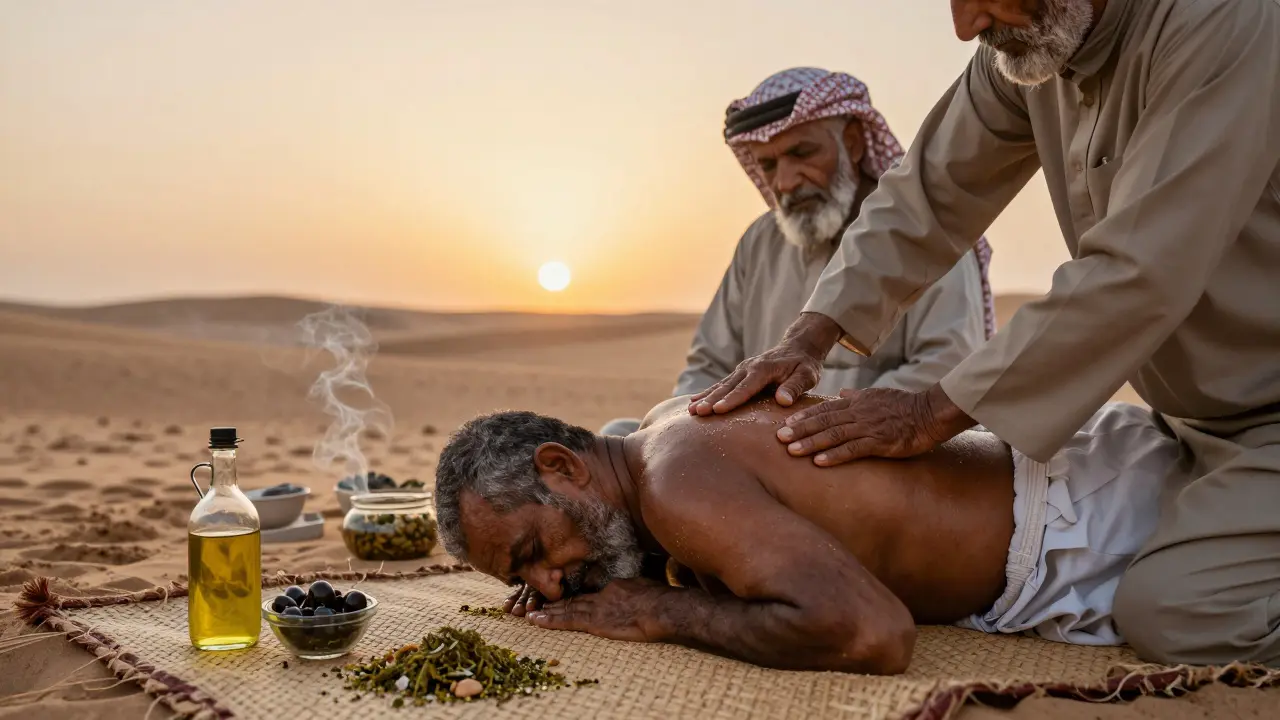
Long before Abu Dhabi became a global hub for luxury, it was a quiet coastal settlement where Bedouin tribes and fishing communities lived by the rhythms of the sea and desert. In these communities, massage wasn’t about eroticism-it was survival. Olive oil, frankincense, and crushed herbs were rubbed into sore muscles after long days of pearl diving or camel trekking. Elders passed down techniques to ease joint pain, reduce swelling, and soothe fatigue. These were practical rituals, not performances.
Women often massaged each other after childbirth. Men worked out knots in each other’s shoulders after hauling nets. There was no shame in touch, but there was also no separation between care and pleasure. The line between therapeutic and sensual wasn’t drawn the way it is today.
Colonial Influence and the Birth of the Spa
In the 1950s and 60s, as oil money began to flow, Abu Dhabi started attracting foreign workers-British engineers, Indian traders, Pakistani laborers. With them came new ideas about relaxation. The first formal bathhouses appeared, modeled after Turkish hammams and Indian Ayurvedic centers. These weren’t places for sex, but they did introduce the idea of private, full-body treatments with oils and steam.
By the 1980s, a few upscale hotels began offering “wellness treatments.” These were marketed as stress relievers, not erotic experiences. Still, whispers spread. Some guests reported receiving extra attention-longer strokes, warmer oils, more intimate settings. The staff were trained to be attentive, not flirtatious. But human nature doesn’t always follow rules.
The 1990s: Hidden Demand, Silent Supply
As Abu Dhabi’s population grew more diverse, so did its needs. Expatriate communities from Thailand, the Philippines, and Eastern Europe brought with them their own massage traditions. Thai massage, with its deep pressure and rhythmic stretching, became popular among expats. Some therapists, especially those working in private homes or small clinics, began offering “special services” discreetly.
This wasn’t advertised. It was word-of-mouth. A recommendation from a trusted friend. A note passed in a hotel lobby. A phone number scribbled on a business card. There was no website, no Yelp review, no Instagram post. If you knew to ask, you might find someone who could help. If you didn’t, you never heard about it.
Local Emiratis rarely participated. Cultural norms, religious values, and family reputation kept most from seeking such services. But for foreigners-especially those far from home, lonely, or stressed-the demand was real. And supply followed.
2000s-2010s: The Rise of the “Wellness” Facade
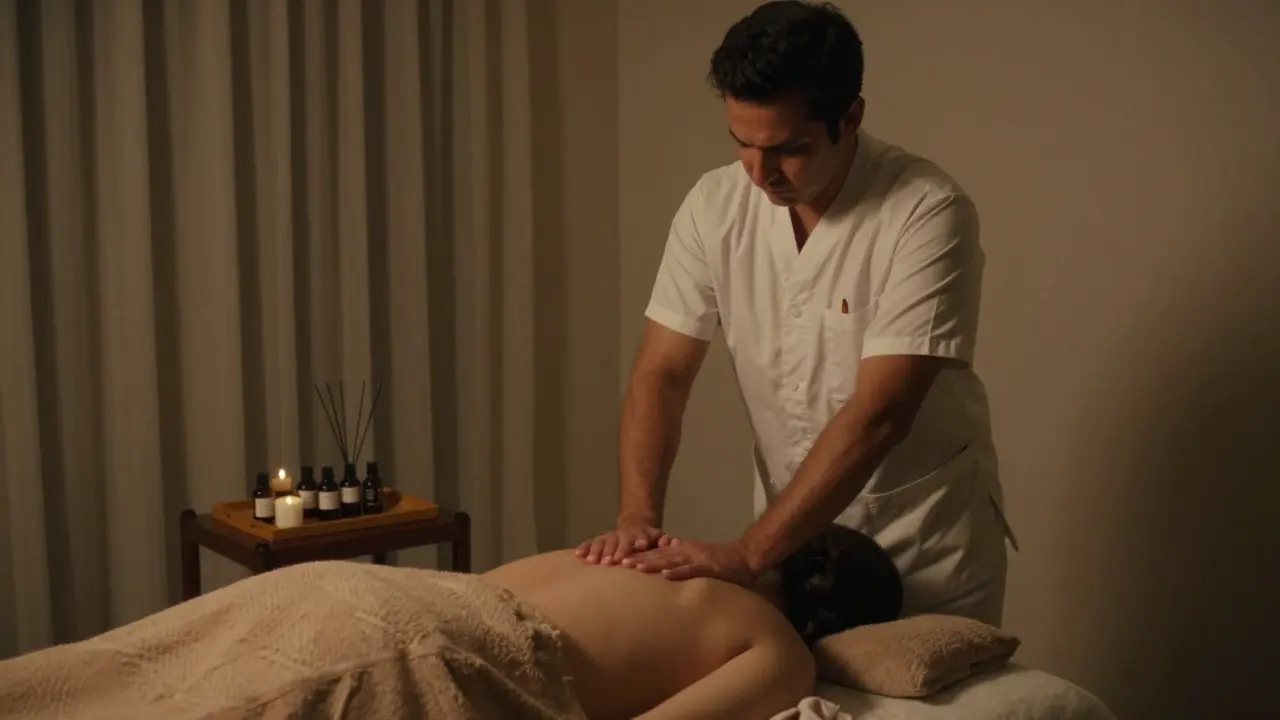
By the early 2000s, Abu Dhabi’s tourism strategy shifted. The government pushed for “family-friendly” branding. Luxury resorts like the Emirates Palace and Yas Island hotels opened with world-class spas. These were clean, quiet, and carefully curated. Therapists wore uniforms. Music was soft. Lights were dim but not suggestive.
Yet beneath the surface, the same underground network persisted. Some spas hired staff from countries where massage and sexual services were more openly linked. They were told to avoid crossing lines-but human boundaries are slippery, especially when money and loneliness are involved.
Reports from expat forums and travel blogs started appearing. Not explicit, but suggestive: “The therapist asked if I wanted ‘extra relaxation’ after the session.” “They used a special oil that made everything feel… different.” “I didn’t ask, but I didn’t say no either.”
Authorities turned a blind eye-as long as nothing was overt. No prostitution. No nudity. No explicit offers. As long as it stayed in the gray zone, it was tolerated.
2020s: Legal Tightening and Cultural Shifts
Today, in 2025, the rules are clearer. UAE law strictly prohibits any sexual activity in exchange for payment. Massage centers must be licensed by the Department of Health - Abu Dhabi (DOHAD). All therapists must be certified. All treatments must be documented. Any hint of sexual services-whether implied or offered-can result in fines, deportation, or jail time.
Many underground operators shut down. Others moved online, using encrypted apps and private bookings. But the risk is higher now. Surveillance is tighter. Police conduct random checks. Foreign workers are more likely to be reported by competitors or disgruntled clients.
At the same time, attitudes are changing. Younger Emiratis, raised with global exposure, are more open to discussing wellness, mental health, and body autonomy. Some private clinics now offer “sensory relaxation” sessions-deep tissue, aromatherapy, guided breathing-with no sexual component. These are marketed as mental health tools, not erotic escapes.
And here’s the twist: the demand for authentic, non-sexual touch is rising. People are tired of screens, stress, and isolation. They crave human connection-not in a sexual way, but in a healing one. That’s the real story behind sex massage in Abu Dhabi: it wasn’t ever really about sex. It was about being seen, held, and cared for in a place where emotional vulnerability is still taboo.
What You’ll Find Today
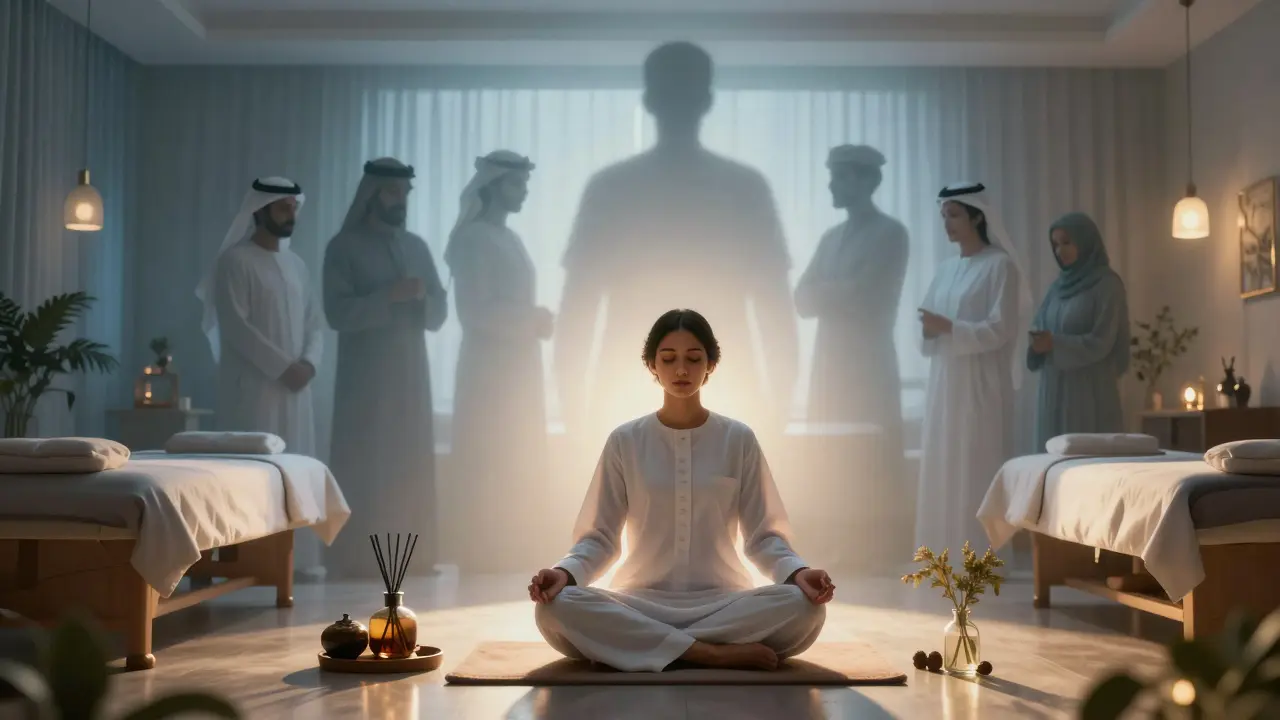
If you walk into a licensed spa in Abu Dhabi today, you’ll get a professional, respectful experience. Therapists are trained in anatomy, pressure points, and hygiene. They won’t ask you for more. They won’t offer it. And if you try to push boundaries, you’ll be asked to leave.
But if you know where to look-and you’re willing to take risks-you might still find someone who remembers the old ways. It’s rare. It’s illegal. It’s dangerous. And it’s fading fast.
The future of massage in Abu Dhabi isn’t hidden rooms or whispered offers. It’s licensed wellness centers, mental health integration, and culturally sensitive care. The old practices didn’t vanish-they evolved. And that’s the real history.
Why This Matters Beyond Abu Dhabi
Abu Dhabi’s story isn’t unique. Cities from Bangkok to Barcelona have wrestled with the same tension: how to separate healing from desire, tradition from exploitation, culture from commerce.
What’s different here is the speed of change. In just 50 years, Abu Dhabi went from desert camps to skyscrapers. Its relationship with touch went from communal healing to silent underground networks to regulated wellness. That’s not just about massage. It’s about how societies negotiate intimacy in the face of modernization.
There’s no romantic version of this history. No secret society of sensual healers. No ancient desert ritual of erotic touch. What there is, is real people-workers, clients, families-trying to survive, connect, and find peace in a world that rarely lets them say what they truly need.