When the sun sets in Milan, the city doesn’t sleep-it switches modes. The same streets where you shopped for designer labels by day become the pulse of one of Europe’s most electric nightlife scenes by night. This isn’t just about drinking. It’s about music that vibrates through your chest, conversations that stretch until dawn, and places where fashion, art, and attitude collide. If you’re planning a night out in Milan, skip the tourist traps. Here’s where the locals go, what to expect, and how to make the most of it.
Start Early, Stay Late
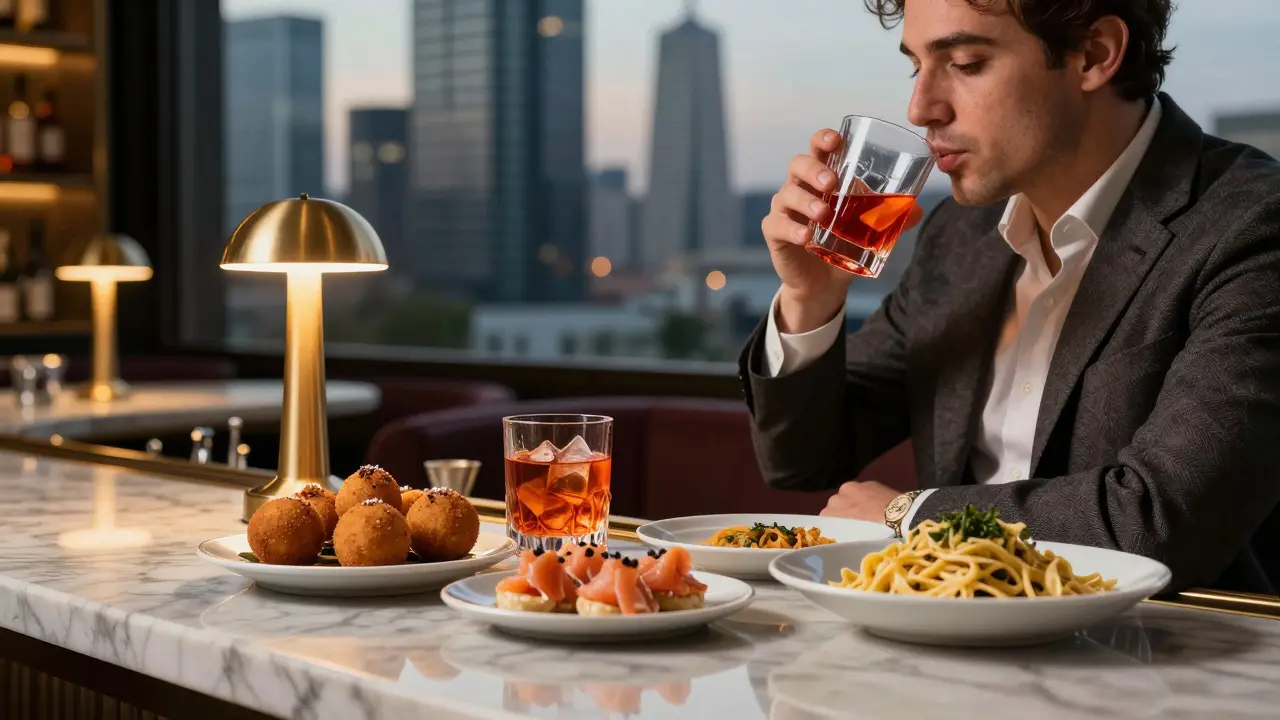
Milan’s nightlife doesn’t begin at midnight. It starts around 9 p.m. with an aperitivo. This isn’t just a drink. It’s a ritual. For €10-15, you get a cocktail-usually a Spritz, Negroni, or Aperol-and a buffet of snacks that rivals a full dinner. Think arancini, stuffed mushrooms, smoked salmon bites, and fresh pasta. The best spots for this? Bar Basso in the Porta Nuova district, where the Negroni was invented, or La Bitta near the Brera neighborhood. Don’t rush. Aperitivo is meant to last two hours. It’s the warm-up to the real show.Where the Locals Party
Forget the flashy clubs near the Duomo. The real action is tucked away. In Zona Tortona, industrial lofts turn into underground clubs after 11 p.m. Clan plays deep house and techno with a crowd that dresses in black and moves like they’ve been dancing since they were teens. No velvet ropes, no bouncers checking your designer bag-just good music and a vibe that feels earned. Head to Isola, the former industrial zone now buzzing with creatives. La Pelota is a favorite: a mix of live jazz, funk, and soul on weekends, with a backyard garden where people sit on beanbags under string lights. It’s not loud. It’s not crowded. But it’s where people come to stay until sunrise. For something more polished, try Magazzini Generali in the Porta Venezia area. It’s a cultural hub with a rooftop bar, art installations, and DJs spinning everything from disco to experimental electronica. The crowd? Designers, architects, musicians. You’ll spot someone famous here, but no one will care enough to stare.Club Scene: What to Expect
Milan’s clubs aren’t like Ibiza or Berlin. They’re smaller, more intimate, and more selective. Most don’t open until 1 a.m. and don’t let you in without a vibe check. You won’t find a dress code posted, but you’ll know it when you see it. No sneakers, no hoodies, no baseball caps. Think tailored jackets, sleek boots, minimal jewelry. You don’t need to spend €500 on an outfit-just look intentional. Capo D’Africa in the Navigli district is a cult favorite. It’s a former warehouse with a courtyard that turns into a dance floor. The music is Afrobeat, Latin, and global bass. The crowd is mixed-locals, expats, travelers. The bouncer doesn’t care if you’re famous. He cares if you’re dancing. Blu in the heart of the city is the closest thing Milan has to a mainstream club. It’s where international DJs come through. Expect house, techno, and pop remixes. Lines form outside by 1 a.m. and don’t clear until 3. If you want in, book a table ahead or arrive early. Otherwise, head to the smaller spots.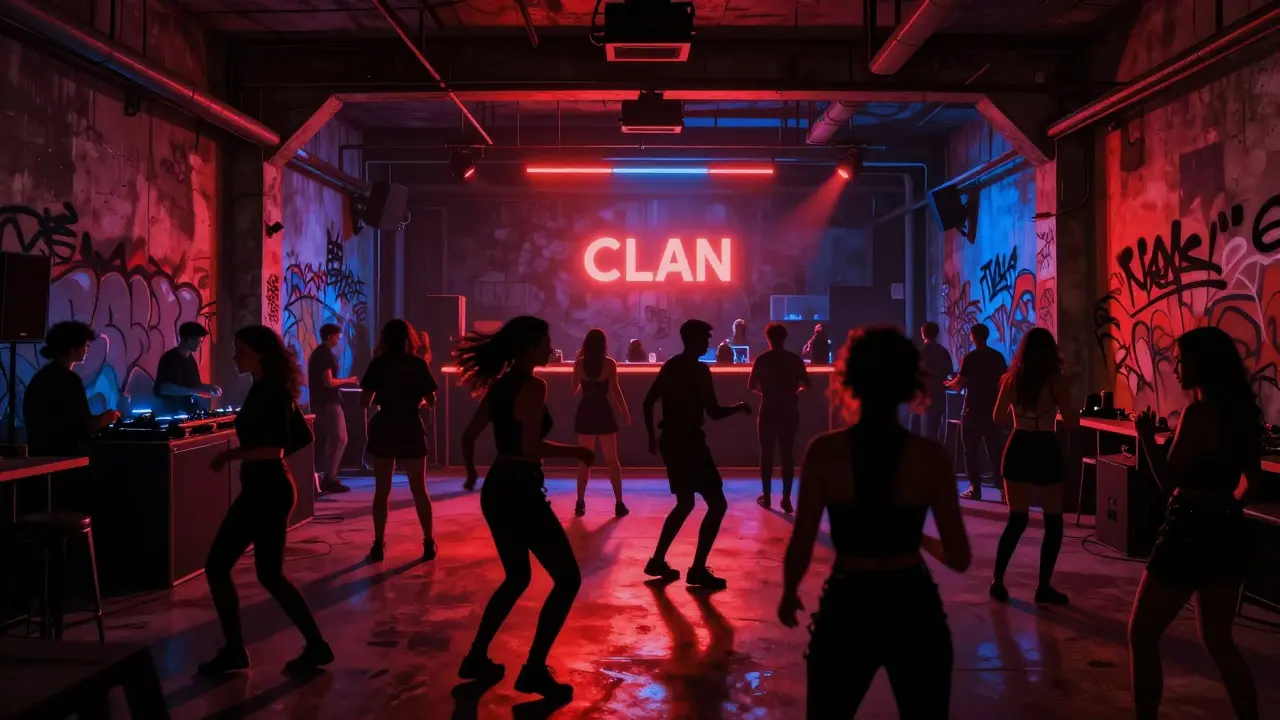
Drinks That Define the Night
You’ll drink Spritzes, yes. But Milan’s cocktail scene is world-class. At Bar Luce-famous for its Wes Anderson aesthetic-you’ll get a perfectly balanced Aperol Spritz served in a chilled glass with a slice of orange that’s been candied in-house. At Bar Basso, the Negroni is made with gin from a single distillery in Tuscany and stirred for exactly 30 seconds. For something unexpected, try Bar del Fico in Brera. Their signature drink is the “Milanese Sunset”: gin, elderflower, grapefruit, and a splash of sparkling wine. Served with a salt-rimmed glass and a sprig of rosemary. It tastes like the city itself-elegant, slightly bitter, unforgettable.Where to Go After the Clubs Close
Most clubs shut down by 4 a.m. But Milan doesn’t end there. Bar Reale in the Porta Ticinese area opens at 4 a.m. and stays open until noon. It’s a no-frills bar with cheap espresso, sandwiches, and a few old-school vinyl records spinning. This is where the night’s real conversations happen. No one’s checking their phone. Everyone’s talking about the music, the art, the city. If you’re craving food, Trattoria Milanese on Via Torino serves panzerotti and fried risotto balls until 6 a.m. It’s the kind of place where the owner knows your name by the third visit. Order the arancini. Eat it standing up. Drink a cold beer. That’s the Milanese way to end a night.What Not to Do
Don’t wear flip-flops to a club. You’ll be turned away. Don’t expect to walk into Clan or Capo D’Africa at 2 a.m. and get in without being noticed. The bouncers know the regulars. They’ll let you in if you look like you belong. If you’re unsure, ask a local. They’ll point you to the right door. Don’t assume all nightlife is expensive. Yes, some clubs charge €20 cover. But many bars in Isola and Navigli have free entry and drinks under €8. You don’t need to spend big to have a great night. Don’t try to party like you’re in New York or London. Milan moves slower. It’s more about mood than volume. Sit down. Talk. Let the night unfold.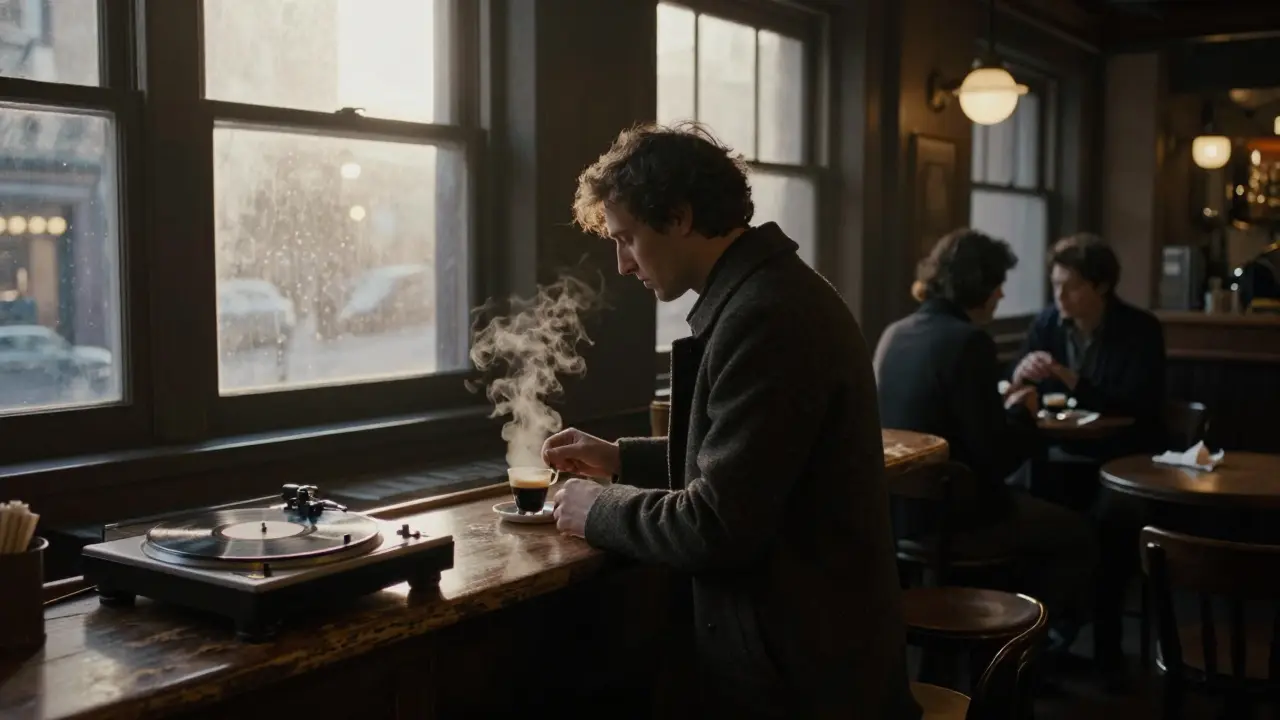
Seasonal Shifts
Summer (June-August) turns Navigli into a floating party. Bars line the canals with outdoor seating. Boat parties happen on weekends. The air smells like lemon and grilled seafood. It’s the most relaxed version of Milan nightlife. Winter (November-February) is quieter but more intense. Clubs get cozier. Music gets darker. You’ll find more jazz lounges and intimate live sets. Teatro dell’Arte hosts late-night jazz performances with local musicians. It’s the kind of night you remember years later.Getting Around
Public transport runs until 1:30 a.m. on weekdays, 2:30 a.m. on weekends. After that, you’ll need a taxi or rideshare. Uber is available, but local apps like FreeNow and It Taxi are cheaper. Avoid walking alone after 2 a.m. in unfamiliar areas. Stick to the main streets: Corso Como, Via Torino, Via Tortona.Final Tip: Be Present
Milan’s nightlife isn’t about checking off clubs. It’s about the moments between them-the laughter over a shared Spritz, the silence during a live sax solo, the way the city lights reflect off the canal at 3 a.m. This isn’t a party. It’s a lifestyle. And if you let it, Milan will show you a side of the city you didn’t know existed.What time do clubs in Milan usually open?
Most clubs in Milan don’t open until 1 a.m. or later. The real energy starts after midnight, with peak hours between 2 a.m. and 4 a.m. Aperitivo starts around 9 p.m., so the night builds slowly.
Is Milan nightlife expensive?
It can be, but it doesn’t have to be. Aperitivo costs €10-15 and includes food. Drinks in local bars range from €6 to €12. Cover charges at clubs vary from free to €20. You can have an amazing night without spending more than €30-40.
What should I wear to clubs in Milan?
Dress well but not overly formal. Think sleek jeans, a tailored shirt or blouse, stylish boots or loafers. Avoid hoodies, sneakers, and baseball caps. The crowd values effort over labels. You don’t need designer clothes-just a polished look.
Are there any safe areas to walk at night in Milan?
Yes. Stick to well-lit, busy areas like Corso Como, Via Tortona, Brera, and Navigli. Avoid isolated streets near the train station or the outskirts after 2 a.m. Most nightlife zones are safe, but always use rideshares after midnight if you’re unsure.
Can I find English-speaking staff in Milan’s nightlife spots?
In tourist-heavy areas like the Duomo or Galleria, yes. But in local favorites like Isola, Zona Tortona, or Navigli, many staff speak limited English. Learning a few Italian phrases-like "Un Aperol, per favore"-goes a long way. Most people are happy to help if you try.
Is there live music in Milan’s nightlife scene?
Absolutely. Jazz at Teatro dell’Arte, funk and soul at La Pelota, and experimental sounds at Magazzini Generali. Many smaller venues host live acts on weekends. Check local listings on Milanese blogs like "Milano Week" or "The Milanese" for updates.